New York Is Calling Kalshi a Risky Bet, It Should Know the Difference
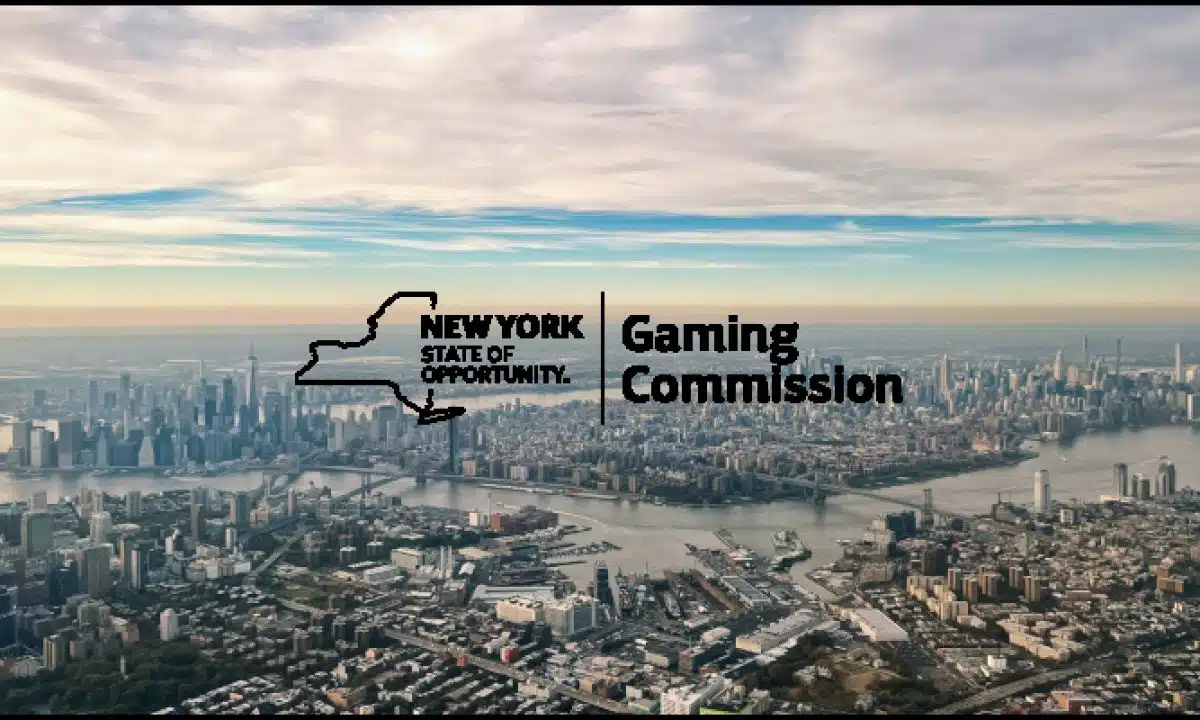
New York’s “Avoid Risky Bets” consumer campaign groups federally regulated prediction markets like Kalshi alongside offshore gambling sites and sweepstakes casinos.
The New York State Gaming Commission launched a consumer education campaign last week called “Avoid Risky Bets.” The target audience is New Yorkers who might be tempted to wager on platforms outside the state’s licensed framework. The campaign is well-intentioned. It is also built on a category error that the state’s regulators either do not understand or choose to ignore.
The commission’s list of unlawful platforms includes offshore gambling sites, sweepstakes casinos, and prediction markets in a single undifferentiated category. The warning flags the commission says consumers should watch for include: no customer service contact information, a platform based outside the U.S., no age-restriction controls, no responsible gaming measures, no anti-money laundering or know-your-customer controls, and no independent auditing.
Every one of those warning signs describes an offshore sportsbook or an unregulated sweepstakes site. None of them describe Kalshi.
What Is Actually Being Lumped Together
Offshore gambling sites are unlicensed by any U.S. authority. They operate from jurisdictions chosen specifically to avoid regulatory oversight. These sites have no legal obligation to pay out winnings, protect user data, verify ages, or maintain any anti-money laundering controls. They contribute nothing to the tax base of the states whose residents use them. When they go wrong, and they do, users have no recourse. The warning signs the commission lists are a genuine and accurate description of these platforms.
Sweepstakes casinos occupy contested legal ground. They use dual-currency models designed to create the experience of gambling without technically meeting the legal definition of it. Whether they are genuinely lawful or sophisticated evasions of state gaming law is a legitimate subject of debate. Several states have moved to ban them outright. New York has not yet done so legislatively, but considers them illegal under existing law.
Prediction markets are a different matter entirely. Kalshi is a designated contract market registered with the CFTC, the same federal regulator that oversees the Chicago Mercantile Exchange. Kalshi files regular disclosures with a federal agency. It has customer service. Kalshi has dispute resolution processes. It has KYC and AML controls. Kalshi does not solicit organized crime.
The question of whether Kalshi can legally offer sports event contracts to New York residents is genuinely contested. Federal courts in Tennessee and New Jersey have said yes. State courts in Massachusetts and Ohio have said no. The Ninth Circuit is now considering the question. The Supreme Court will almost certainly have to resolve it. That is a real legal dispute between two legitimate regulatory frameworks, and it may well end with New York’s position being vindicated.
But “legitimately contested legal question” and “risky bet with no consumer protections” are not the same thing. The commission is using the latter framing to describe a situation that only the former accurately captures.
Why the Lumping Is Convenient
New York has the highest sports betting tax rate in the country at 51% of gross gaming revenue. Its licensed operators pay that rate and compete for customers accordingly. Offshore sites pay nothing. Sweepstakes casinos pay nothing. Prediction markets pay nothing to New York, and the CFTC’s position is that they do not have to.
The commission frames unlicensed platforms as an economic drain: “Unlawful operators redirect tax revenue away from schools, local governments, tribal communities, and charitable organizations.” That is true of offshore operators. It is a contestable framing when applied to a federally regulated exchange whose legal obligation to collect New York taxes is the precise question being litigated in multiple federal courts simultaneously.
The “Avoid Risky Bets” campaign serves two purposes simultaneously. The first is genuine consumer protection: steering New Yorkers away from offshore platforms that genuinely lack the safeguards the commission describes. That purpose is legitimate and worth pursuing. The second is competitive protection: steering New Yorkers away from a federally regulated platform that New York’s licensed operators consider a competitive threat and that the state has not yet been able to ban through the courts. That purpose is less noble, and it is being dressed up in consumer safety language that it does not honestly fit.
The Age Argument Deserves Scrutiny Too
The commission’s most substantive concern about prediction markets specifically is the age threshold. Many prediction market platforms allow access at 18, three years below New York’s legal sports wagering age of 21. The commission notes that some platforms actively market on university campuses, a practice New York law prohibits licensed operators from engaging in.
This is a real concern and a fair one. The research is consistent that earlier exposure to gambling products increases the risk of problem gambling development. The Federal Reserve’s data on sports betting and household financial distress, concentrated among adults under 40, are relevant here. Whether 18 or 21 is the right threshold for access to prediction markets is a legitimate policy debate, and the commission is right to raise it.
But the age argument is not what the campaign is primarily about. The campaign is primarily about classifying prediction markets alongside offshore sites and sweepstakes casinos as products that lack consumer protections. And on that specific claim, the commission is overstating its case by conflating genuinely unprotected consumers with consumers using a federally regulated exchange in a jurisdiction whose authority over that exchange is legally disputed.
The Honest Version of This Campaign
There is an honest version of what the New York State Gaming Commission is trying to convey, and it goes roughly like this: New York considers prediction-market sports contracts to be unlicensed gambling under state law. The federal courts have not yet definitively resolved whether the CFTC’s jurisdiction preempts that position. Until they do, New Yorkers who use these platforms are operating in legal uncertainty, and if New York’s position is ultimately upheld, they may find that their activity was unlawful under state law. Additionally, the age threshold on these platforms is lower than New York’s requirement, posing a genuine risk to younger users.
That is a fair warning. It treats consumers as adults capable of understanding nuance. It accurately describes the legal situation rather than misrepresenting a contested regulatory dispute as equivalent to offshore gambling linked to organized crime.
The version the commission chose to publish instead lumps Kalshi with Bovada and asks New Yorkers to treat them as the same kind of risk. They are not the same kind of risk, and a state regulator should know the difference, even if it chooses not to say so publicly.
Players trust our reporting due to our commitment to unbiased and professional evaluations of the iGaming sector. We track hundreds of platforms and industry updates daily to ensure our news feed and leaderboards reflect the most recent market shifts. With nearly two decades of experience within iGaming, our team provides a wealth of expert knowledge. This long-standing expertise enables us to deliver thorough, reliable news and guidance to our readers.
Latest News