Treasury Sanctions Two Cartel-Linked Casinos Used to Launder Money and Stash Fentanyl
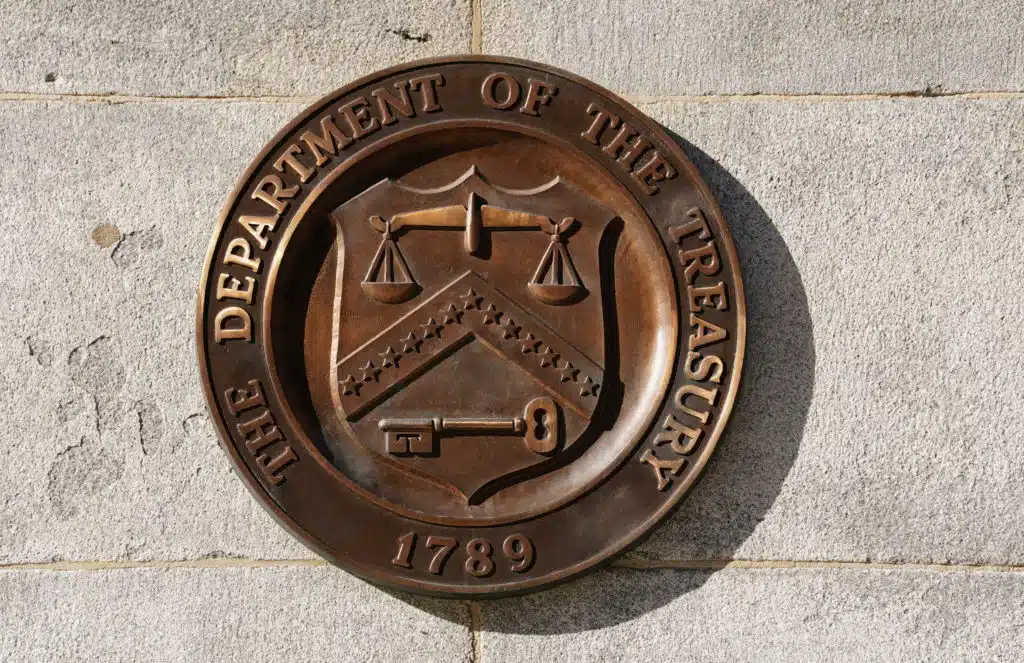
The US Treasury has sanctioned two Mexican casinos with direct ties to one of the country’s most violent drug trafficking organizations.
The action, announced April 14 by the Office of Foreign Assets Control, targets Casino Centenario and Diamante Casino, both linked to Cartel del Noreste. One of those properties sits two miles from the United States border.
It is the third OFAC action targeting CDN leadership and affiliates during the Trump administration, and the first to target cartel-operated gaming venues directly.
What the Casinos Were Used For
Casino Centenario operates out of Nuevo Laredo, Tamaulipas, directly across the Rio Grande from Laredo, Texas, the busiest land port of entry on the southern border. Treasury’s designation reveals the property was not simply a front for money laundering. It was an active piece of CDN’s criminal infrastructure.
According to OFAC, CDN used Casino Centenario as a stash house for fentanyl pills and cocaine. The casino’s legitimate gaming operations provided cover for laundering illicit proceeds and integrating cartel cash into the financial system. The property’s backrooms were also used by CDN members to torture and intimidate perceived enemies of the organization. Many CDN members frequented the casino regularly.
The second property, Diamante Casino, is based in Tampico, Tamaulipas, and operates a gambling website at diamantecasino.com.mx. Both casinos are operated by the same entity, Comercializadora y Arrendadora de Mexico, S.A. de C.V., known as CAMSA, which has also been designated under the action.
Cartel del Noreste: The Organization Behind the Casinos
CDN is not a peripheral player in Mexican organized crime. Formerly known as Los Zetas, it has operated in the Mexican states of Tamaulipas, Coahuila, and Nuevo León for decades. Its criminal portfolio includes fentanyl trafficking, crystal methamphetamine, heroin, marijuana, cocaine, human smuggling, kidnapping, extortion, and political corruption.
CDN was designated as a US Foreign Terrorist Organization in February 2025. That designation, combined with its earlier classifications as a specially designated foreign narcotics trafficker and transnational criminal organization, reflects the breadth of its threat to both Mexican stability and US border security.
Its stronghold in Nuevo Laredo gives CDN direct control over drug trafficking and human smuggling routes into the United States at the country’s highest-volume inland trade crossing. The cartel uses that leverage to bribe politicians and journalists and to extort businesses and shipments moving in both directions.
The Individuals Sanctioned
Three individuals were designated alongside the casinos. Eduardo Javier Islas Valdez, known as “Crosty,” oversees CDN’s human smuggling operations in Nuevo Laredo. He manages networks of smugglers along the Rio Grande and controls cash stash houses in the city, functioning as a gatekeeper for cross-border movement of both people and money.
Juan Pablo Penilla Rodriguez, a defense attorney, provides services to CDN leadership that go well beyond a legitimate attorney-client relationship. He has acted as an intermediary for imprisoned CDN co-founder Miguel Angel Trevino Morales, enabling Trevino to maintain influence over cartel operations from behind bars.
Jesus Reymundo Ramos Vazquez, known publicly as Raymundo Ramos, runs CDN’s disinformation operations under the cover of human rights activism. Treasury alleges he files false complaints against Mexican military personnel, pays individuals to attend protests, and works to rehabilitate the public image of arrested or deceased CDN members, all while on the cartel’s payroll.
What the Sanctions Mean
All property and interests belonging to the designated individuals and entities that are within the United States or under the control of US persons are now blocked. Any entity owned 50% or more by a blocked person is also covered. US persons are prohibited from engaging in transactions with the designated parties without a specific OFAC license.
OFAC has issued a general license allowing US persons a window to wind down any existing transactions involving CAMSA, Casino Centenario, and Diamante Casino. Violations of US sanctions carry civil and criminal penalties and can expose foreign financial institutions to secondary sanctions for knowingly facilitating significant transactions on behalf of designated parties.
The Treasury Secretary Scott Bessent framed the action as part of a broader strategy. “Treasury will use all tools to protect our nation from violent cartels looking to reign terror on innocent Americans,” he said. “Treasury will continue to target the diverse revenue streams that cartels rely on to sustain their operations.”
The designation of two gaming properties as sanctioned cartel assets is a reminder that casinos, wherever they operate, remain a preferred vehicle for large-scale money laundering. In this case, the house was running much more than slot machines.
Players trust our reporting due to our commitment to unbiased and professional evaluations of the iGaming sector. We track hundreds of platforms and industry updates daily to ensure our news feed and leaderboards reflect the most recent market shifts. With nearly two decades of experience within iGaming, our team provides a wealth of expert knowledge. This long-standing expertise enables us to deliver thorough, reliable news and guidance to our readers.
Latest News