Senator Blumenthal Demands Major Sports Leagues Disclose All Gambling Partnerships by May 1

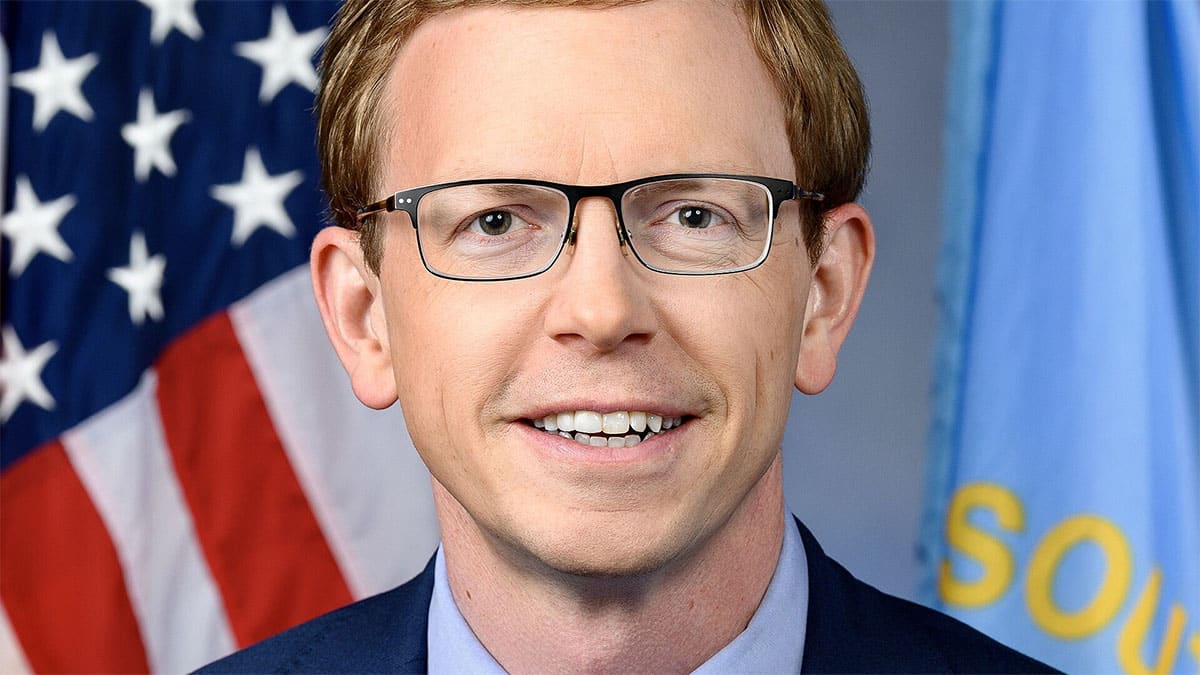
Every major American sports league has a deadline. Senator Richard Blumenthal has sent letters to the NFL, NBA, MLB, NHL, MLS, and NCAA, demanding a comprehensive breakdown of their relationships with the gambling industry by May 1, 2026.
Each letter is addressed to the relevant commissioner. The deadline gives leagues roughly two weeks to compile and submit a potentially significant volume of partnership documentation.
The request reflects an escalating legislative focus on the intersection of professional sports and the gambling industry, one that has intensified considerably since the Supreme Court struck down the federal sports betting ban in 2018.
What Blumenthal Is Asking of Major Sports Leagues
The letters ask for detailed information about each league’s current partnerships with gambling entities. That encompasses sportsbook sponsorship deals, official data agreements, advertising relationships, prediction market partnerships, and any other commercial arrangements involving wagering platforms or operators.
Blumenthal has been direct about why he is asking. “Since the federal ban on sports gambling, a ban supported by the leagues, was overturned eight years ago, gambling has permeated every aspect of the game,” he said in connection with the letters. “The consequences of this rampant rise of sports gambling have been accelerating addiction, threats to players, and even the corruption of the game.”
The senator is not asking casually. He frames the disclosure request as a necessary precursor to more comprehensive federal action on gambling regulation.
Prediction Markets Add a New Layer of Complexity
Blumenthal’s concern extends beyond traditional sportsbooks. He has been one of Congress’s more vocal critics of prediction market platforms, particularly their expansion into sports event contracts. He has previously introduced legislation to tighten prediction market regulation and has described platforms like Kalshi and Polymarket as attempting to circumvent state gambling oversight and to escape the regulatory scrutiny that licensed sportsbooks face.
Several of the leagues Blumenthal is querying have already entered prediction market partnerships. MLB signed Polymarket as its Official Prediction Market in a deal worth up to $300 million over three years. The NHL has licensing deals with both Polymarket and Kalshi.
The MLS has a marketing agreement with Polymarket. The NBA has not yet announced prediction market partnerships, though Commissioner Adam Silver has said the league is examining the sector.
The prediction market relationships are particularly significant given Blumenthal’s position. He has argued that these platforms are attempting to offer the same sports wagering products as licensed sportsbooks while claiming federal exemption from state gambling laws.
His letters to the leagues could be designed in part to document the scale of those commercial relationships ahead of potential legislation.
The NCAA’s Distinct Position
Of all the organizations receiving Blumenthal’s letters, the NCAA occupies a different position than the professional leagues. It has consistently opposed gambling partnerships and has been one of the most persistent voices against proposition bets on college-level competitions.
NCAA leadership has specifically flagged the threat that sports event contracts on prediction markets pose to the integrity of college athletics.
That opposition has not prevented Kalshi from offering markets on college sports, including tournament games. The NCAA’s response to Blumenthal’s letter, and whether it uses the disclosure request as an opportunity to formally document its objections to the current regulatory landscape, will be worth watching.
The Broader Congressional Context
Blumenthal’s letters arrive during the most active period of Congressional attention to gambling in years. Separate legislation introduced in March would ban prediction market contracts on war and military action entirely.
Congressman Ritchie Torres has written to the CFTC requesting an investigation into suspicious trades tied to government announcements. The White House sent an internal memo to staff warning against using non-public information to bet on prediction platforms.
The pattern suggests a sustained and coordinated effort to build a legislative record on gambling’s expansion into American public life. Blumenthal’s disclosure demand adds a new dimension: by requiring the leagues themselves to document their financial entanglements with the gambling industry, he creates a paper trail that could inform both specific legislation and broader public debate about whether the current commercial relationships between sports and wagering are in the public interest.
Players trust our reporting due to our commitment to unbiased and professional evaluations of the iGaming sector. We track hundreds of platforms and industry updates daily to ensure our news feed and leaderboards reflect the most recent market shifts. With nearly two decades of experience within iGaming, our team provides a wealth of expert knowledge. This long-standing expertise enables us to deliver thorough, reliable news and guidance to our readers.
Latest News