NCAA: Bettors Enjoyed Safer Market This Season in Wake of Federal Bet-Fixing Scrutiny
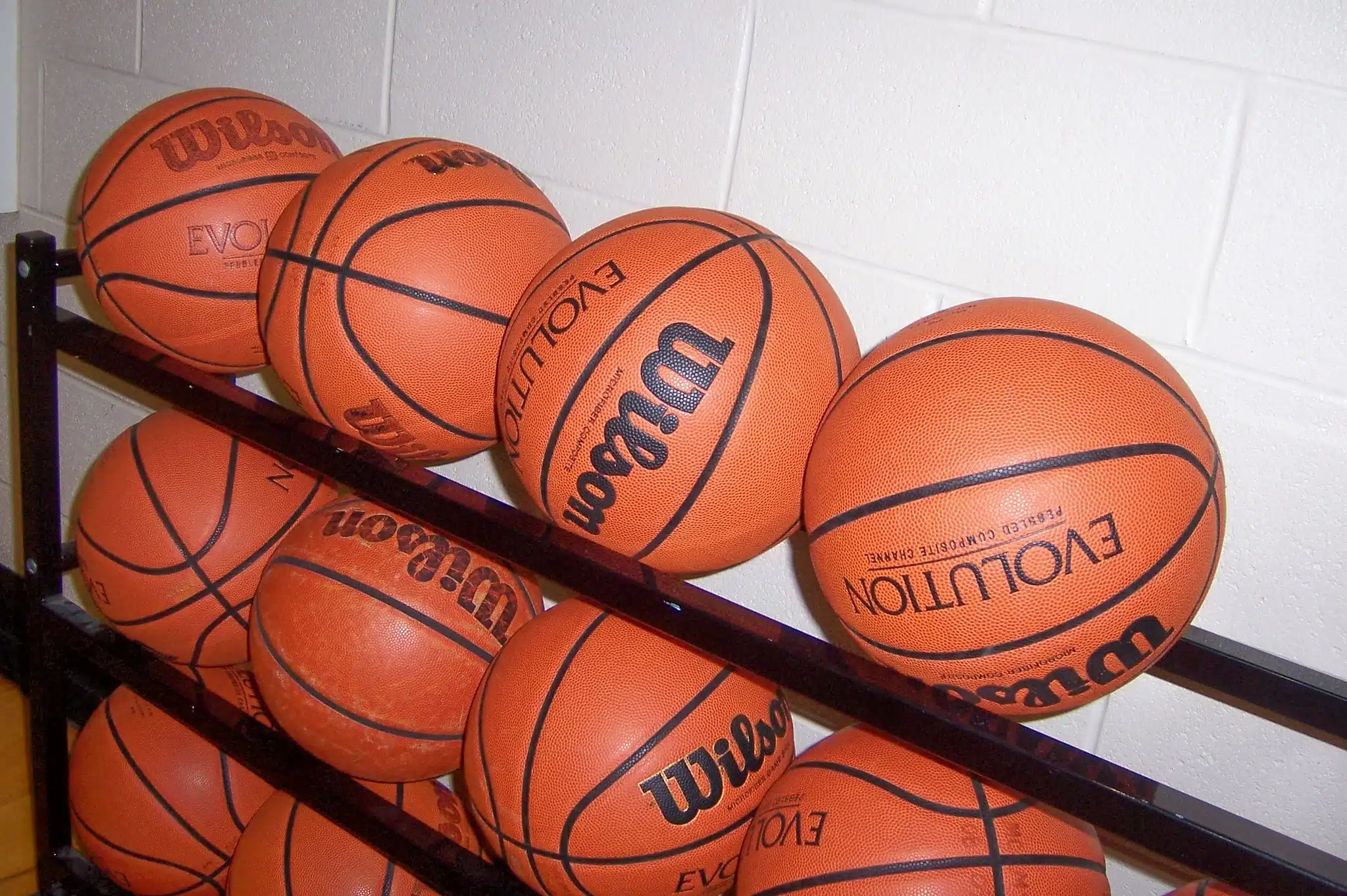
Credit: k8/Flickr
March Madness is underway, and American bettors are expected to wager more than $3 billion in the coming weeks, according to the American Gaming Association. The NCAA suggests those gamblers needn’t have much fear of betting into fixed markets.
According to the NCAA and betting integrity monitors interviewed by ESPN, betting-related corruption in college basketball has “largely subsided” this season.
Considering federal investigators just busted the alleged masterminds behind a sweeping fixing scandal, that shouldn’t count as much of a surprise. In January, the FBI unsealed an indictment alleging point-shaving and bribery in college basketball, implicating at least 26 individuals. They alleged the fixes occurred across the two NCAA hoops seasons prior to this one.
In the most recent development, Jalen Smith, one of the accused, pleaded guilty. He’s facing up to 20 years on fraud charges, plus lesser charges that carry penalties of between five and 15 years.
“I feel comfortable this year’s tournament, this year’s games are going to be free from manipulation, free from the behaviors that would compromise the integrity of those games,” said NCAA VP of Enforcement Jon Duncan. “I’m hopeful that the sunlight that we were able to shine on this beginning last year deterred behavior.”
March Madness Shouldn’t Be at High Risk for Betting Corruption
Betting-related corruption has been a blazing-hot topic nationwide. Scandals have plagued major sports leagues like MLB and the NBA. The NCAA says enforcement efforts have intensified and “safeguards are in place” for the coming national championship tournaments.
For the most part, March Madness should be a low-risk betting event in terms of corruption.
Consider the list of schools named in the January indictment:
- Abilene Christian
- Alabama State
- Buffalo
- Coppin State
- DePaul
- Eastern Michigan
- Fordham
- Kennesaw State
- La Salle
- New Orleans
- Nicholls State
- North Carolina A&T
- Northwestern State
- Robert Morris
- Saint Louis
- Southern Mississippi
- Tulane
It’s not exactly a list of sports powerhouses, and that’s instructive. The fixers involved in the scandal targeted lower-level basketball schools, populated by players on the shorter end of the name, image, and likeness (NIL) money stick. They did so with the understanding that they could leverage these players’ lower incomes, making their bribes more attractive.
While plenty of smaller schools will earn bids to the NCAA tournament, they’re going to be playing on the biggest stages of their lives, for the most part. This is their best chance to audition for future professional roles or transfers to bigger schools for more NIL money. These potential carrots far outweigh the value of any bribes they’d be offered by potential fixers.
Furthermore, the number of eyes trained on these games makes it much more likely that nefarious activity will be rooted out compared with something like New Orleans vs. Lamar, an allegedly fixed game from the indictment.
Betting Stakeholders Must Remain Vigilant and Sensible
While the NCAA seems to be patting itself on the back for fostering a safer betting environment following cooperation with relevant authorities in the high-profile point-shaving case, the danger of match-fixing will remain. That’s especially true in a sport like college basketball, where the betting handles are large, but most of the athletes are making a pittance by comparison.
Staying vigilant and using common sense will go a long way in policing these markets.
For instance, to my knowledge, nobody has explained why the alleged perpetrators were allowed to place some of these bets. Consider a few of the bets involved:
- $198,300 on a Chinese basketball game
- $458,000 on Towson vs. North Carolina A&T
- $275,000 on South Alabama vs. Southern Mississippi, first half
These bets didn’t trigger immediate alarms? Especially so when they were allegedly placed at Rivers Philadelphia? For context, BetRivers has limited me to less than $100 on certain same-game parlays after I won a few thousand dollars there over the course of about two months during the last NFL season.
In other words, unless someone at the sportsbook was in on the scam, accepting these bets was simple, unchecked greed from the operator. BetRivers likely accepted them because they had the perpetrators tagged as high-value players (whales, in gambling parlance) in their system.
The sportsbook is there to make money. But beards — high-value players betting by proxy on behalf of sharp winners — are a thing, too. If someone is asking to bet $200,000 on a Chinese basketball game, instead of eagerly accepting the action, it would behoove these sportsbooks to wonder why such an unusual wager is being made.
Hopefully, in the wake of this scandal, a little common sense will go a long way toward rooting out future fixing attempts.
Image credit: k8/Flickr (license)
Players trust our reporting due to our commitment to unbiased and professional evaluations of the iGaming sector. We track hundreds of platforms and industry updates daily to ensure our news feed and leaderboards reflect the most recent market shifts. With nearly two decades of experience within iGaming, our team provides a wealth of expert knowledge. This long-standing expertise enables us to deliver thorough, reliable news and guidance to our readers.
Latest News