
Michigan Budget Proposes Per-Bet Tax, 36% iGaming Rate
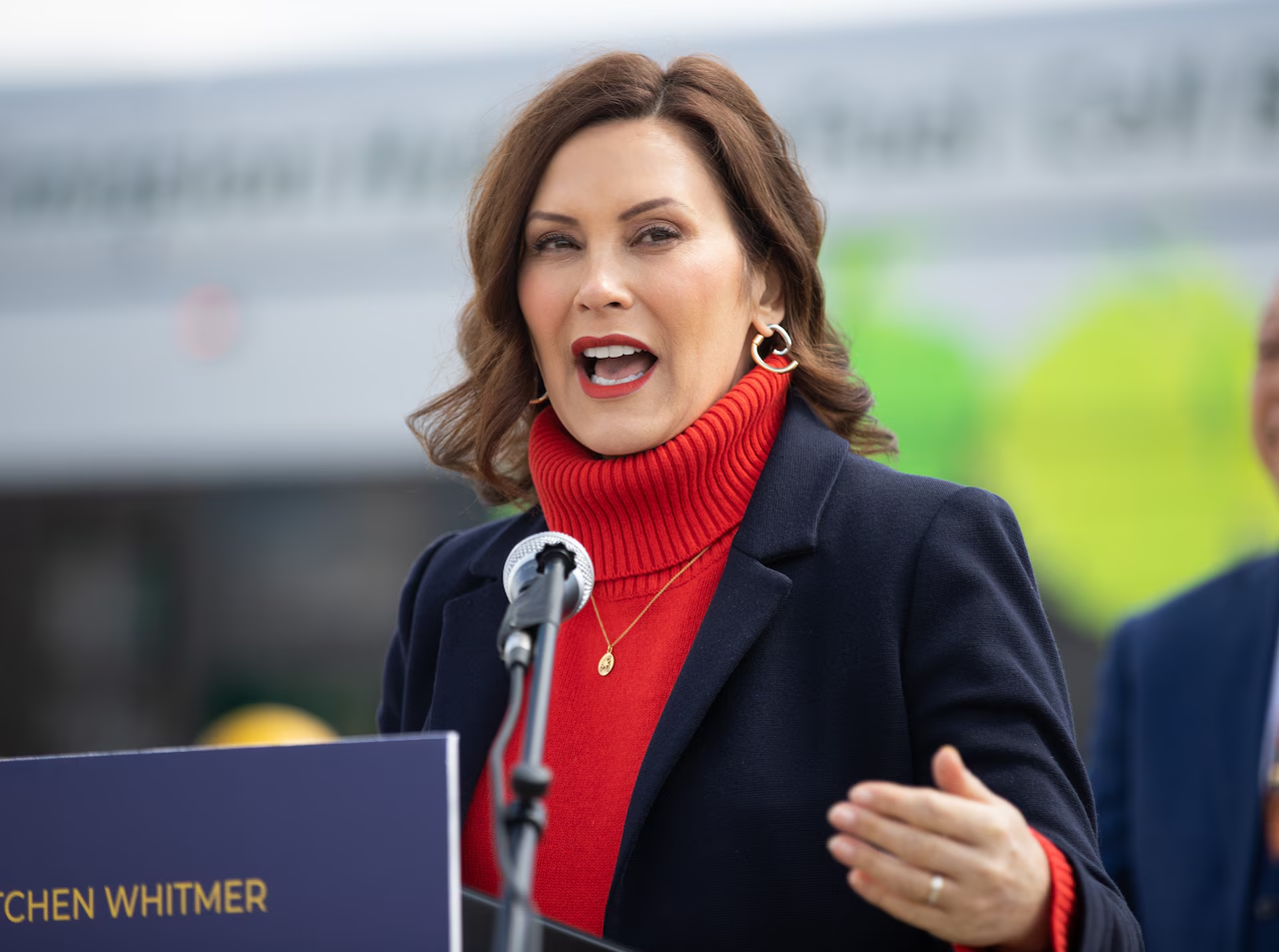
Michigan Gov. Gretchen Whitmer proposes a per-bet tax and 36% iGaming rate in new budget plan.
Michigan Governor Gretchen Whitmer has proposed significant changes to the state’s gambling tax structure, including a new per-bet tax on online sports wagers and a top 36% tax rate on iGaming revenue.
The measures were introduced as part of the governor’s broader budget proposal and are intended to generate additional state revenue without cutting core services.
If enacted, the changes would mark one of the most aggressive gambling tax adjustments since Michigan legalized online betting and casino gaming in 2021.
What the Proposal Includes
The governor’s plan contains two major components:
1. A Per-Bet Sports Wagering Tax
- A small fixed tax applied to every online sports bet placed
- Designed to capture revenue regardless of operator profitability
- Structured to create consistent tax flow during high-volume events
Unlike Michigan’s current system, which taxes sportsbook operators based on adjusted gross revenue, a per-bet levy would generate revenue even if operators offer heavy promotional incentives or record low margins.
Supporters argue this creates stability. Critics warn it could alter pricing strategies or lead to higher costs for bettors.
2. Raising iGaming’s Top Tax Rate to 36%
Michigan currently uses a graduated tax system for online casino revenue. The proposal would raise the top bracket to 36%, increasing the tax burden on higher-earning operators.
Key considerations:
- Michigan is already one of the stronger iGaming markets in the U.S.
- Higher tax rates could generate tens of millions in additional revenue
- Operators may face margin compression
Industry stakeholders note that Michigan’s online casino market has consistently outperformed sports betting in total tax contributions.
Why the State Is Considering Changes
The proposal comes as Michigan lawmakers look for new revenue streams to support:
- Education funding
- Infrastructure projects
- Public safety and social services
Gambling revenue has become a meaningful contributor to the state budget. Online casino and sports betting taxes have delivered hundreds of millions of dollars annually since legalization.
However, as the market matures, growth rates are slowing compared to early expansion years. The governor’s office views tax adjustments as a way to maintain upward revenue momentum.
Potential Industry Reaction
Operators may push back against both elements of the proposal.
Concerns include:
- Reduced competitiveness compared to neighboring states
- Impact on promotional spending
- Possible effects on consumer pricing
Michigan has historically maintained a balanced regulatory environment. A significant tax hike could shift investment decisions, particularly for smaller operators with thinner margins.
Industry advocates argue that overly aggressive tax policy risks slowing innovation or discouraging market participation.
Where Michigan Stands Nationally
If implemented, Michigan’s 36% top iGaming rate would place it among the higher-tax online casino jurisdictions in the country, though still below some states that have adopted 40%+ models.
The per-bet sports wagering tax would be more unusual, as most states rely solely on revenue-based taxation.
This dual approach reflects a growing trend among states reassessing gambling tax structures as markets stabilize.
What Happens Next
The proposal is part of the governor’s budget and must pass through:
- Legislative committee review
- Negotiations with both chambers
- Potential revisions before final approval
Lawmakers may modify the rates or structure before passage.
The debate is expected to intensify as operators, tribal stakeholders, and responsible gambling advocates weigh in.
Why This Matters
Michigan has been one of the most successful online gambling markets in the U.S. Adjustments here could influence policy conversations in other states facing budget shortfalls.
The proposal highlights a broader national trend:
- States increasingly view gambling as a flexible revenue tool
- Mature markets are entering a second phase of tax recalibration
- Policymakers are testing new taxation models beyond revenue-only frameworks
How Michigan proceeds could set a blueprint, or a cautionary tale, for others.
Bottom Line
Governor Gretchen Whitmer’s budget proposal would introduce a per-bet sports wagering tax and raise Michigan’s top iGaming tax rate to 36%.
If approved, the changes would reshape the state’s gambling revenue model and potentially alter operator economics in one of America’s strongest online gaming markets.
Players trust our reporting due to our commitment to unbiased and professional evaluations of the iGaming sector. We track hundreds of platforms and industry updates daily to ensure our news feed and leaderboards reflect the most recent market shifts. With nearly two decades of experience within iGaming, our team provides a wealth of expert knowledge. This long-standing expertise enables us to deliver thorough, reliable news and guidance to our readers.
Latest News