

Coalition for Prediction Markets Buys Full-Page Washington Post Ad Amid Debate
A prediction market coalition uses a full-page Washington Post ad to address concerns about insider trading and push for regulatory clarity.
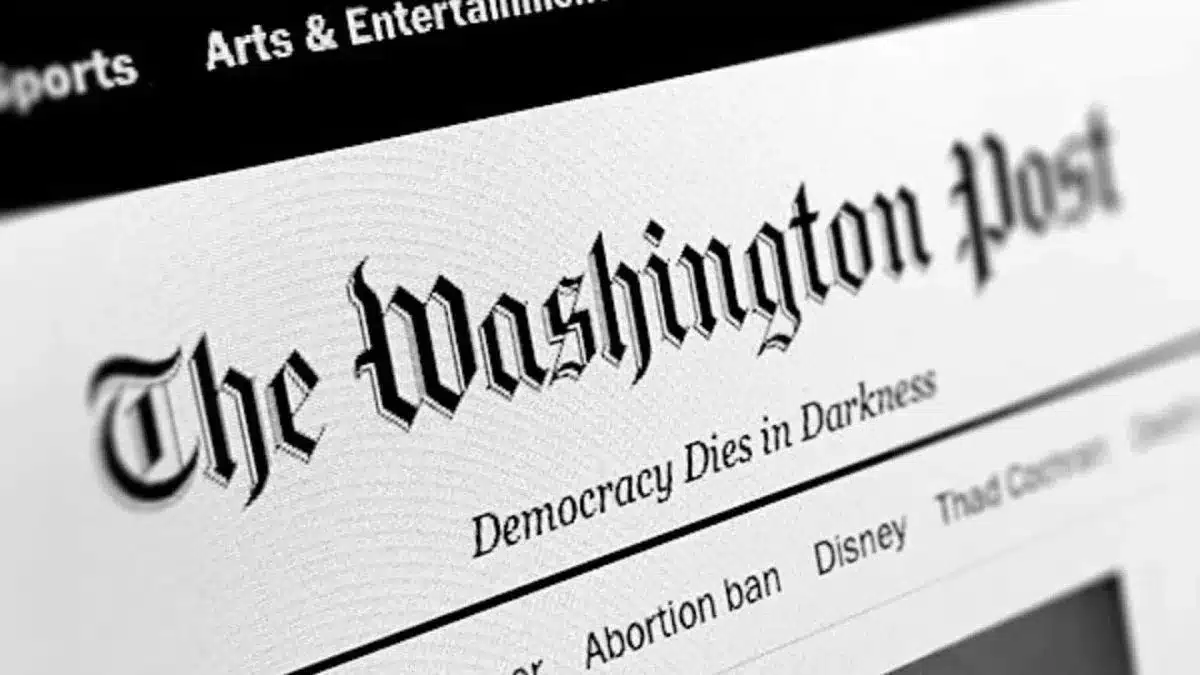
A group representing prediction market interests has taken its case directly to Washington policymakers, purchasing a full-page advertisement in The Washington Post as debate intensifies over the legality and oversight of event-based contracts.
The ad, placed by the Coalition for Prediction Markets, seeks to push back against claims that prediction markets enable insider trading or function as unregulated gambling products. Instead, the coalition frames prediction markets as legitimate financial tools that provide transparency, price discovery, and public value.
The move marks one of the most visible lobbying efforts to date from prediction market advocates as regulatory scrutiny continues to mount in Washington.
What the Advertisement Argues
The full-page ad emphasizes that prediction markets have existed for decades and are already subject to federal oversight. It argues that these markets play a role similar to traditional financial instruments by aggregating information and forecasting real-world outcomes.
Key points highlighted in the ad include:
- Prediction markets promote transparency and public forecasting
- Existing rules already prohibit insider trading and market manipulation
- Event contracts are fundamentally different from sports betting
- Overregulation could stifle innovation and research
The coalition also suggests that prediction markets have historically been used to forecast elections, economic trends, and geopolitical outcomes, long before their expansion into sports and entertainment events.
Insider Trading at the Center of the Debate
Critics of prediction markets have raised concerns that individuals with non-public information could exploit event contracts tied to political or regulatory outcomes. The ad directly addresses those concerns, arguing that insider trading rules already apply and that enforcement mechanisms are in place.
According to the coalition, prediction markets operate with built-in safeguards that allow suspicious trading behavior to be flagged and investigated, similar to traditional financial markets.
Opponents remain unconvinced, however, and argue that enforcement standards are unclear, particularly when event contracts are tied to highly specific outcomes that may be influenced by a small group of insiders.
Sports Betting Comparison Draws Industry Pushback
Although the ad does not focus exclusively on sports, its timing comes amid heightened tension between prediction market platforms and the regulated sports betting industry.
Sportsbook operators argue that sports-linked event contracts resemble wagers and should be subject to the same licensing, taxation, and consumer protection requirements imposed on sportsbooks.
From the sportsbook perspective:
- Prediction markets avoid state-level gaming licenses
- No sports betting taxes are paid on event contracts
- Consumer protections vary widely
Prediction market advocates counter that their products are financial instruments governed at the federal level and should not be regulated as gambling simply because they involve uncertain outcomes.
A Direct Appeal to Policymakers
By choosing The Washington Post as its platform, the coalition appears to be targeting lawmakers, regulators, and policy influencers directly. Full-page ads in the paper are widely viewed as a signal that an issue has reached a critical moment in the policy cycle.
The ad also coincides with increased attention from regulators who are weighing how event contracts fit into existing frameworks overseen by agencies such as the Commodity Futures Trading Commission.
While the coalition does not call for specific legislative action, the message is clear: prediction markets want regulatory certainty, and they want it without being classified as gambling products.
Industry Reaction and What Comes Next
Reaction to the ad has been mixed. Supporters see it as a necessary step to correct misconceptions and educate policymakers. Critics view it as an attempt to preempt tougher regulation by framing the debate on favorable terms.
What happens next may depend on whether regulators decide to:
- Clarify insider trading enforcement standards
- Restrict certain types of event contracts
- Draw clearer distinctions between financial markets and sports betting
For now, the ad underscores how high the stakes have become. As prediction markets continue to gain mainstream public awareness, the battle over how they are defined and who regulates them is no longer happening quietly behind the scenes.
Instead, it’s now playing out on a full page of one of Washington’s most influential newspapers.
Players trust our reporting due to our commitment to unbiased and professional evaluations of the iGaming sector. We track hundreds of platforms and industry updates daily to ensure our news feed and leaderboards reflect the most recent market shifts. With nearly two decades of experience within iGaming, our team provides a wealth of expert knowledge. This long-standing expertise enables us to deliver thorough, reliable news and guidance to our readers.
Latest News