South Carolina Casino Bill Sparks Controversy Over Jobs, Taxes, and Social Risk
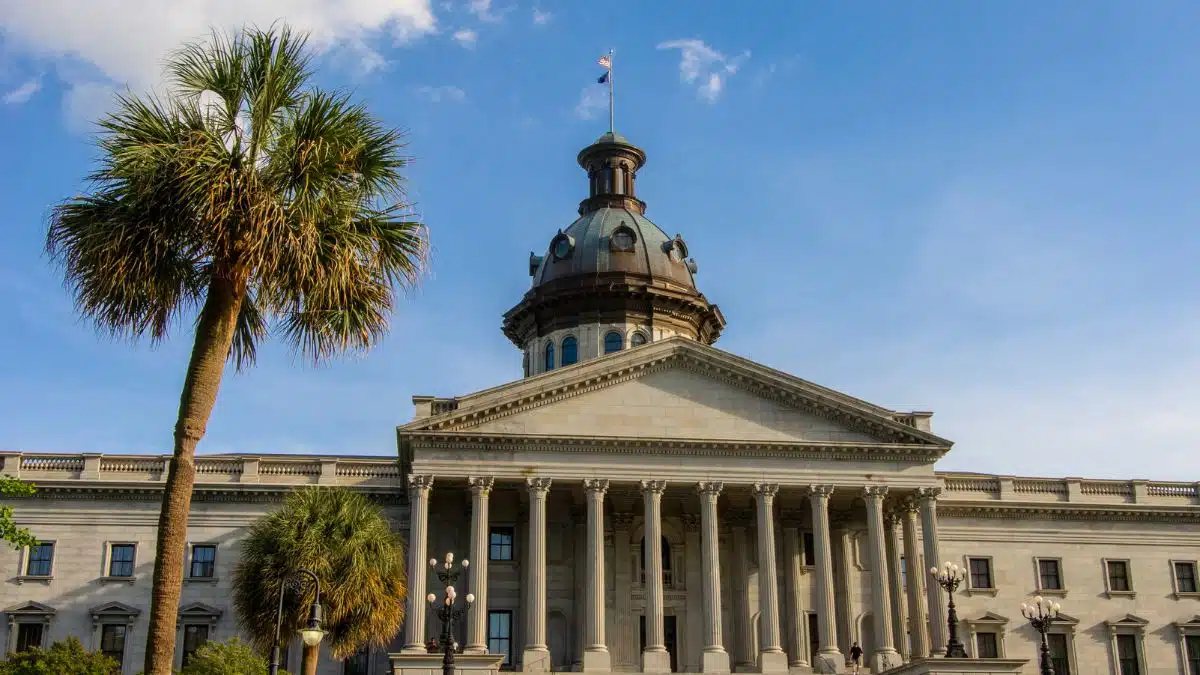
South Carolina could be on the cusp of legalizing casino gambling, as lawmakers prepare to debate a bill that has sparked strong opinions on both sides.
The proposal, which is part of the I-95 Economic and Education Stimulus Act, would allow casinos in select counties and create a South Carolina Gaming Commission to oversee licensing. Proponents tout the plan as a potential economic boon, while opponents warn of serious social consequences.
Supporters Pitch Casinos as an Economic Fix for South Carolina
Supporters argue that legal casinos could keep South Carolinians’ gambling dollars in-state, rather than flowing to neighboring states. “We’re not stopping it from happening, but we could use the revenue generated by that to do something positive for South Carolina,” said State Rep. Bruce Bannister, R-Greenville.

The bill includes a framework for how revenue would be distributed, with funding earmarked for veterans’ programs, conservation efforts, and local counties.
Orangeburg has emerged as a potential hub for the state’s first casino. The Santee Development Corporation envisions a casino designed more like a lodge than a typical neon-lit complex. James McQuilla, president of the Orangeburg Chamber of Commerce, said the project could stimulate local jobs and economic growth while benefiting schools and community programs.
“Whenever you have jobs that are there for local individuals, then you’re going to see a decrease in crime,” McQuilla said.
Opponents Warn of Social Costs and Government Overreach
Yet the proposal has met fierce opposition from religious and community groups, who argue casinos exploit vulnerable populations and fuel other problems. Faith leaders from across the state gathered at the State House for a “Pastor’s Day at the Capitol” to voice their concerns. Chad Connelly, president of Faith Wins America, described casino gambling as “predatory,” warning it preys on desperation while masking addiction as opportunity.

Even political leaders have expressed skepticism. Governor Henry McMaster opposes casino gambling, and former State Representative Jonathan Hill criticized the bill as overreach, arguing that creating a state-run agency to regulate private casinos effectively establishes a government monopoly.
As the bill sits on the House calendar, debate could begin in the coming weeks. Lawmakers will have to weigh the potential influx of tax revenue against social costs, a balancing act that could define South Carolina’s approach to gambling for years to come.
Players trust our reporting due to our commitment to unbiased and professional evaluations of the iGaming sector. We track hundreds of platforms and industry updates daily to ensure our news feed and leaderboards reflect the most recent market shifts. With nearly two decades of experience within iGaming, our team provides a wealth of expert knowledge. This long-standing expertise enables us to deliver thorough, reliable news and guidance to our readers.
Latest News