CANJ issues response to proposed increase on online gaming tax

Casino Association President Mark Giannantonio spoke on the proposed legislation, calling it ‘ill-advised’ while stating that it would lead to ‘adverse’ consequences for Land-based properties.
Key Points
- New Jersey Governor Phil Murphy presented the state’s budget on February 25, including a tax rate increase to 25% of adjusted revenues for both online sports betting and iGaming
- The state currently taxes iGaming and online sports betting at a rate of 15% and 13%, respectively, on adjusted revenues
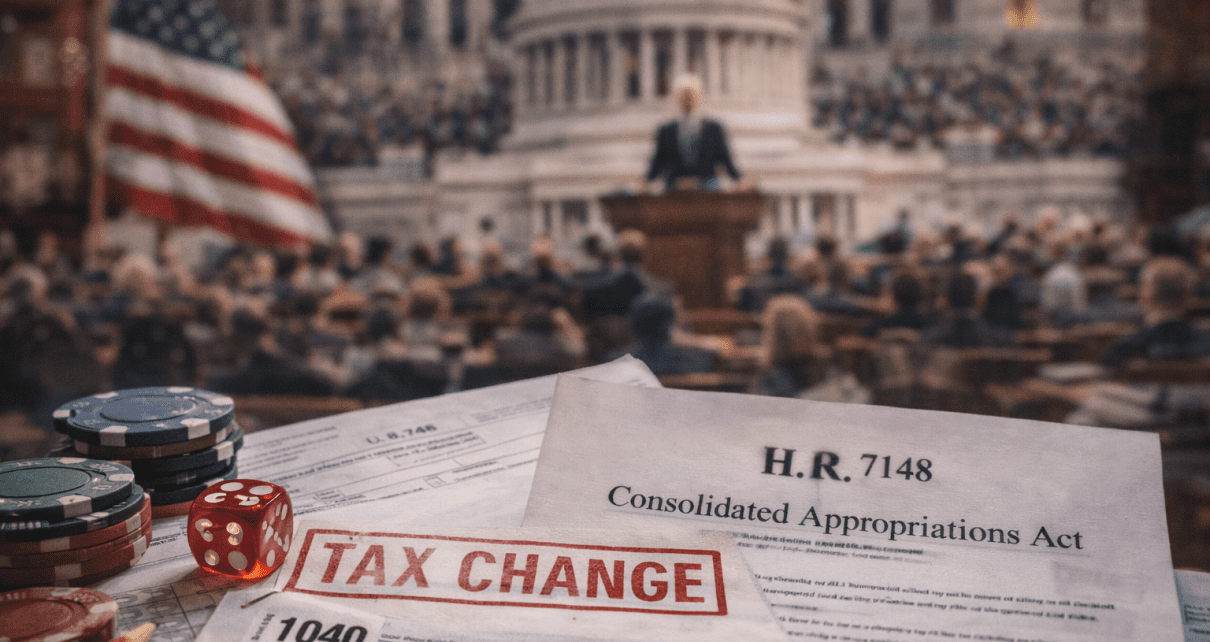
After New Jersey Governor Phil Murphy introduced legislation on February 25 that would increase the tax rate for both iGaming and online sports betting to 25%, Casino Association (CANJ) President Mark Giannantonio has issued an official response to the proposal.
“The Casino Association of New Jersey strongly opposes the proposed tax increase for online gaming, which will threaten the stability of Atlantic City’s gaming and tourism industry, as well as the industry’s workforce. This proposal is ill-advised and, if passed, will have significant adverse consequences for brick-and-mortar casinos,” Giannantonio said.
“A tax hike in this difficult economy would threaten these benefits and negatively impact the operations, workforce and marketing of our casino hotel properties. Reductions in these benefits will also lead to reductions in consumer spending in the casino properties and other Atlantic City businesses, as well as the state and local taxes generated there. New Jersey’s standing as a national leader and pioneer in online gaming would also be greatly diminished, and would cede ground to other states in jobs, investment and innovation.”
New Jersey currently taxes iGaming and online sports betting at a rate of 15% and 13% on adjusted revenues, respectively. The increased tax rates for online sports betting and iGaming are estimated to bring in an additional $402.4m in revenue throughout 2026.
Good to know: Total gaming revenue from casinos, racetracks and partners throughout the Garden State totaled $553.9m during January 2025, decreasing by 0.9% year-over-year
“Further, as evidenced in other jurisdictions, this type of tax hike will not yield such expected tax dollars to the State Treasury because it will result in diminishing returns through a consumer shift away from the licensed and regulated providers and back to the unregulated and illegal, offshore online businesses from which the state derives no revenue,” Giannantonio continued.
“This proposed tax increase would significantly impair the licensed operator’s ability to offer those incentives and therefore make it harder for them to compete with the unlicensed and untaxed market.
“A consumer shift back to the unregulated operators will not only lead to increased untaxed wagering but will also result in individuals playing in an unregulated environment that does not offer the same protections for consumers that our licensed online gaming partners provide.”
Giannantonio would also go on to state how these are “challenging times” for the casino industry in Atlantic City and its employees. Referencing figures that state the majority of Atlantic City casinos have failed to return to pre-Covid-19 levels, Giannantonio believes a tax hike would “jeopardize” these Land-based properties and “ultimately hurt” the people it supports.
Players trust our reporting due to our commitment to unbiased and professional evaluations of the iGaming sector. We track hundreds of platforms and industry updates daily to ensure our news feed and leaderboards reflect the most recent market shifts. With nearly two decades of experience within iGaming, our team provides a wealth of expert knowledge. This long-standing expertise enables us to deliver thorough, reliable news and guidance to our readers.
Latest News