Pennsylvania’s Gambling Industry Is Spending Millions to Reshape Its Own Legislature, and the Two Sides Want Opposite Things

Pennsylvania’s state Senate primaries have become a proxy war between sports betting companies, which are protecting a 36% tax rate, and Pace-O-Matic, which is targeting incumbents who opposed favorable skill games regulation.
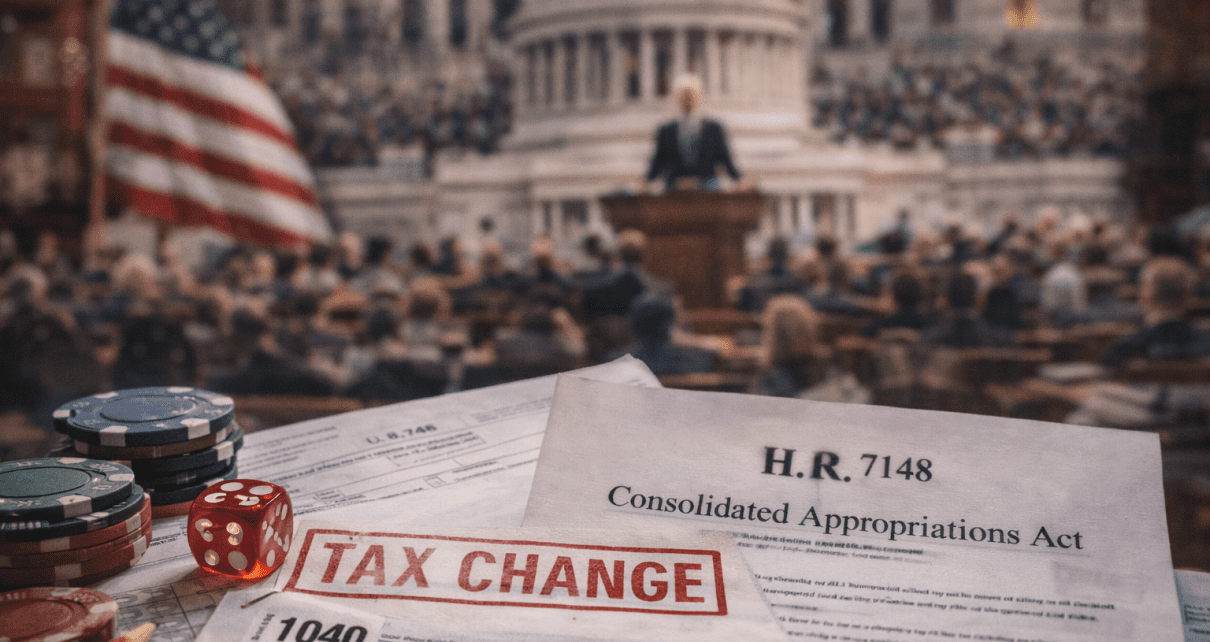
Pennsylvania’s state Senate primaries are being contested, in a meaningful sense, by two gambling industries that despise each other. One is trying to protect incumbents. The other is trying to destroy them. Together, they have spent more than $8 million targeting three Republican senators in districts they do not operate in, for constituents who may not know their ballots have become a proxy war in a Harrisburg revenue fight.
This is not subtle, and it is not new. But the scale and structure of what Spotlight PA documented this week are worth examining carefully, as they describe a model of how gaming interests reshape legislatures that goes well beyond Pennsylvania.
The Two Armies and What They Want
A super PAC aligned with sports betting has spent roughly 60% of the total identified by Spotlight PA to support three Republican incumbents: Sens. Lisa Baker, Camera Bartolotta, and Dan Gebhard. The money flows through a chain of entities: FanDuel, DraftKings, and Fanatics Sports Book donated at least $46 million to a group called Win for America, which gave to the American Conservative Fund, which gave $5 million to Win for Pennsylvania, all three committees registered within weeks of each other at the same northern Virginia address.
The sports betting industry’s motivation is transparent. Pennsylvania taxes sports betting at 36%. Near the end of last year’s budget impasse, lawmakers discussed raising that levy. The industry launched a successful lobbying push to kill the measure. A budget deal passed without the increase, and a sports betting group ran ads thanking Gebhard and Senate Majority Leader Joe Pittman for “standing with PA sports fans and against raising taxes.” The incumbents being supported this week are the ones who protected the 36% rate. The industry is investing to keep them in office ahead of another budget deadline on June 30.
The money from the skill games is moving in the opposite direction. Citizens Alliance, a conservative political group funded almost entirely by Pace-O-Matic executives and its PAC, has spent to defeat the same three incumbents. The challengers it is supporting include a behavioral health specialist, a masonry business owner, and a professional cowboy.
The skill games industry turned on Senate Republicans last year after a dispute over regulation. GOP leadership responded by saying the attacks amounted to being bullied. Bartolotta, a three-term incumbent, told Spotlight PA that her opponents are “trying to take the Senate of Pennsylvania hostage.”
The Pace-O-Matic Pattern
The Pace-O-Matic playbook in Pennsylvania is worth reading alongside the company’s recent history in Virginia, where it executed a nearly identical strategy with considerably more success. Earlier this spring, Virginia’s Democratic-controlled legislature passed a skill games regulation bill after Pace-O-Matic directed more than $1.7 million to Virginia Democrats, with the bill’s primary sponsors among its biggest beneficiaries. The company targeted the right legislators in the right election cycle with the right amounts and secured a regulatory framework it preferred.
Pennsylvania is a bit more challenging. The dynamics of the primary have frustrated incumbents and challengers alike. Multiple Capitol observers noted that regardless of Tuesday’s outcome, the skill games industry will lose goodwill with Republicans, and that gaming deals require bipartisan buy-in to pass. The Pennsylvania State Supreme Court is also expected to rule on the machines’ fundamental legality, which could render the entire legislative fight moot in either direction.
Gebhard, whose bill is opposed by the skill games industry, told Spotlight PA he wonders whether third-party spending of this scale is “a positive for the system and the people of Pennsylvania.” Pace-O-Matic’s Mike Barley said Tuesday’s results won’t be the “epitaph” for the industry: “I believe that the primary election is but another chapter in this ongoing skill game issue, one we hope ends with common sense legislation.”
The Dark Money Architecture
The structural transparency problem is the most interesting element of Spotlight PA’s reporting for anyone watching how money moves in national gaming politics.
Aaron McKean, senior legal counsel at the Campaign Legal Center, noted that moving money through a chain of organizations, from corporations to national PACs to state super PACs, makes it dramatically harder to track where cash originates. “That means a less informed vote at the end of the day,” McKean said, calling for disclosure laws like those in Arizona and Alaska requiring groups to reveal original funding sources.
Pennsylvania’s opaque campaign finance laws are not unique. The layered PAC structure the sports betting industry used here, a national entity receiving corporate donations, giving to an intermediary, giving to a state entity, is a model deployed across virtually every major gambling lobbying campaign in the country. The Pace-O-Matic approach in Virginia used a different structure but the same opacity principle: money flowing through PACs and affiliated entities to candidates who may genuinely believe they would have supported the same legislation without the donations.
The antisemitic mailer in the 16th District, funded by a PAC chaired by a skill games equipment supplier targeting a Democratic primary, is the ugliest entry in an already uncomfortable picture. Two mailers funded by Protecting Our Democracy attacked Democratic party-preferred candidate Bradley Merkl-Gump in favor of Mark Pinsley, including one featuring a picture of Jewish state Sen. Steve Santarsiero with an Israeli flag under his face, which Santarsiero called antisemitic. The PAC had not yet filed its required campaign finance report as of Thursday, making it impossible to fully trace its funding.
A PAC chaired by a Capital Vending executive with $156,000 in donations to the Operators for Skill committee, running antisemitic mailers in a Democratic primary, to elect a candidate who would face a Republican incumbent who has received $426,000 from that same industry, is a demonstration of how completely these spending chains have escaped any meaningful accountability framework.
What It Means Beyond Tuesday
Pennsylvania’s budget deadline arrives June 30. Whether the legislature is facing the same three incumbents or three new faces will shape the negotiating dynamics around both the sports betting tax rate and the skill games regulatory framework. The Supreme Court’s ruling on the machines’ legality looms over it all.
Gebhard said his door is still open to the skill games industry, and expects the Supreme Court ruling to lay the groundwork for whatever legislation follows. That is the pragmatic read. The political read is that, whatever the primary results, both industries have demonstrated a willingness to spend at levels that most state legislators have never encountered in their careers. The next round of negotiations will happen in that context.
The Virginia precedent is instructive and cautionary. Pace-O-Matic spent heavily, got its legislation, and created a model it is now replicating in Pennsylvania with different political targeting, but the same underlying logic. The sports betting industry spent heavily in Pennsylvania, stopped a tax increase, and is now reinforcing the legislators who helped it. Both industries are playing a longer game than any individual primary determines.
The $8 million Pennsylvania figure will be higher by the time all the reports are filed. The June 30 budget deadline will arrive regardless of who wins. And the skill games case before the Pennsylvania Supreme Court will eventually produce a ruling that either vindicates or invalidates the industry’s entire legal theory. When it does, the legislators who survived or lost these primaries will be the ones deciding what comes next.
Players trust our reporting due to our commitment to unbiased and professional evaluations of the iGaming sector. We track hundreds of platforms and industry updates daily to ensure our news feed and leaderboards reflect the most recent market shifts. With nearly two decades of experience within iGaming, our team provides a wealth of expert knowledge. This long-standing expertise enables us to deliver thorough, reliable news and guidance to our readers.
Latest News