
New Jersey Proposes Special Tax on World Cup Betting Revenue
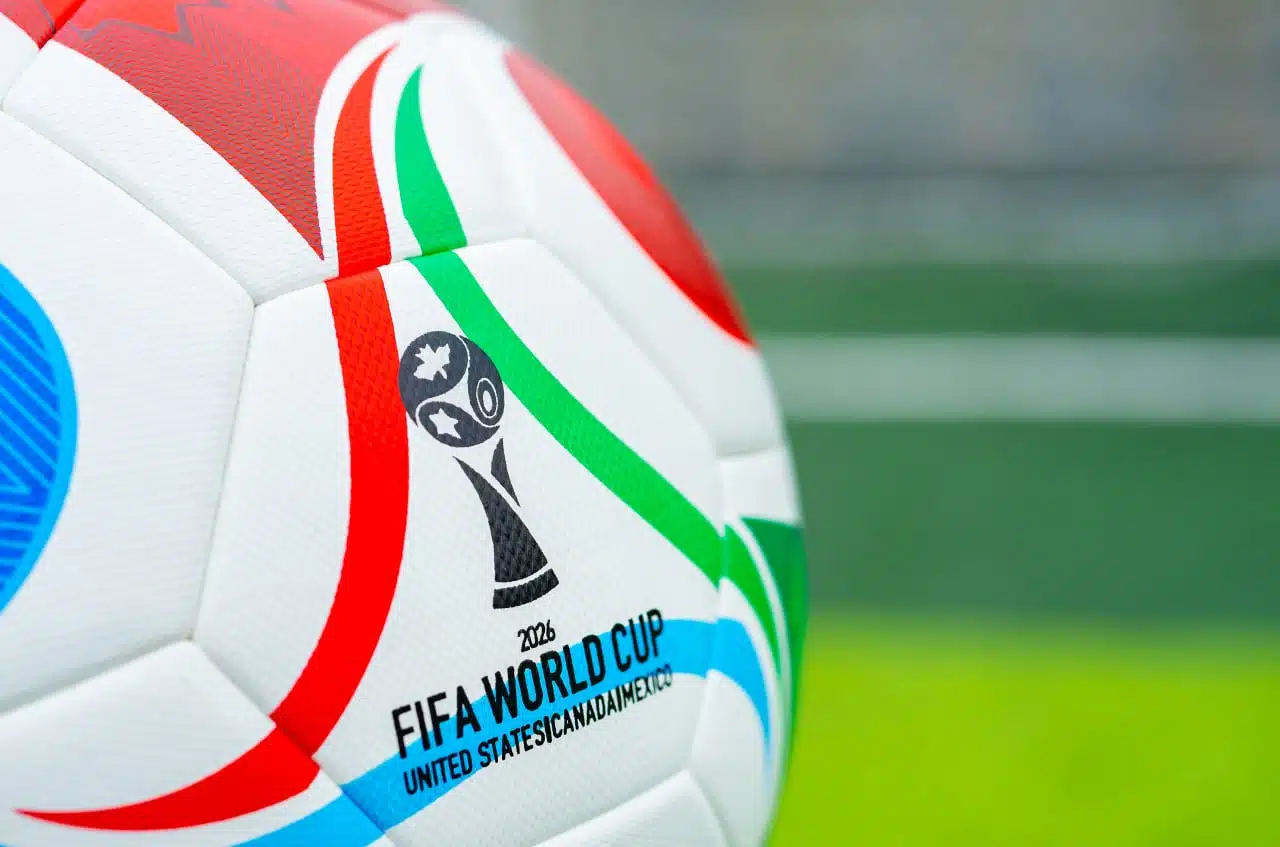
New Jersey has introduced A4838, a temporary 10% surcharge on World Cup online sports betting revenue designed to offset the state’s $300 million-plus hosting costs.
MetLife Stadium in East Rutherford will host eight 2026 FIFA World Cup matches, including the tournament final on July 19. New Jersey is preparing to spend well over $300 million on infrastructure, security, and logistics to make that happen. It would like some of that money back, and it has identified an unusually targeted mechanism to collect it.
Assemblyman Michael Venezia introduced A4838 on Monday, proposing a temporary 10% surcharge on online sports betting revenue tied to all World Cup-related wagers. The tax covers bets on matches, series of matches, and individual player performance statistics, and would run from June 12 through July 20, 2026. It is part of a broader package that also includes a 2.5% surcharge on hotel and motel occupancy across most New Jersey counties, a 3% surcharge on food, beverage, and event ticket sales within the Meadowlands district, and a $0.50 fee on rideshare trips to and from the Meadowlands during the same window.
The bill would make New Jersey the first state to impose a temporary surcharge specifically tied to an international sporting event. Whether it becomes law before the tournament begins is a real question. The World Cup starts June 11. The legislature has weeks.
What It Would Actually Generate
The revenue math is useful for calibrating expectations. New Jersey accounts for roughly 8% of national sports betting handle. National projections for World Cup betting have risen to approximately $3 billion, up from an estimated $1.8 billion wagered on the 2022 tournament in Qatar. At New Jersey’s 8% share, the state would see roughly $240 million in handle. Assuming a 10% hold, taxable gross revenue would be approximately $24 million. The proposed 10% surcharge applied to that figure yields an estimated $2.4 million.
The 10% surcharge would apply on top of New Jersey’s existing online sports betting tax rate of 19.75%, meaning operators would effectively pay close to 30% on World Cup betting revenue during the tournament window. That is a meaningful increase, and operators are not receiving any corresponding credit.
The proposal has drawn bipartisan criticism. Representative Josh Gottheimer, vice chair of the FIFA World Cup 2026 Caucus, wrote to Governor Mikie Sherrill, urging reconsideration. “People in our state are already stretched too thin, and we should not ask them to cover even more costs tied to the FIFA World Cup,” he said. Assemblyman Al Barlas argued that businesses had already planned around the tournament under different expectations. “Changing the rules of the game after the fact is wrong,” he said.
Critics have also noted the broader fiscal picture. According to the Institute on Taxation and Economic Policy, host cities stand to lose millions in state and local revenue due to FIFA-mandated tax exemptions while incurring high public costs. Georgia could lose up to $25 million in state and local revenue from Atlanta games. Missouri could lose more than $11 million from Kansas City. Across all U.S. host cities, taxpayer exposure has been estimated at roughly $625 million. The $2.4 million New Jersey hopes to recoup through the betting surcharge represents less than 1% of its projected hosting costs.
Has This Been Done Before?
The New Jersey bill is novel in its structure, but the broader concept of narrowly targeted betting taxes with specific earmarks has a long history. What makes A4838 unusual is not the earmarking but the event-specific trigger. Most betting tax earmarks are permanent and structural. This one expires when the final whistle blows.
The most established international precedent is the UK’s Horseracing Betting Levy, which has been in operation since 1961. Bookmakers pay 10% of their gross income above £500,000 to the Horseracing Betting Levy Board, with funds directed specifically to racehorse prize money, racecourse maintenance, and veterinary research. The levy generated a record £108 million in 2024-25, its fourth consecutive annual increase. The principle behind it, that operators who profit from a sport have an obligation to contribute to its sustainability, is the same logic that runs through the New Jersey proposal, even if the application is inverted. In the UK, the sport funds the ecosystem that enables betting on it. In New Jersey, betting funds the infrastructure that makes the event itself possible.
Within the United States, earmarked sports betting revenue is already common, if rarely this precisely targeted. Colorado directs all sports betting revenue after administrative costs and problem gambling initiatives to water planning. Tennessee sends 80% of its betting revenue to fund HOPE scholarships for college students. Ohio allocates 98% of its sports betting tax revenue to interscholastic athletics and extracurricular youth activities. Oregon directs 7.5% toward watershed maintenance. South Dakota puts 40% toward tourism promotion.
What those arrangements share is permanence. They are baked into the legislation that created the betting market and apply continuously regardless of what sport is being wagered on. A4838 is doing something structurally different: imposing an additional surcharge only on bets related to a specific event during a defined window. There is no permanent change to the tax framework. The surcharge arrives, collects, and disappears.
The Broader Principle
The New Jersey proposal raises an interesting policy question that goes beyond its specific numbers. As major sporting events become more expensive for host cities and states to manage, and as legal sports betting drives substantial wagering on those events, there is a reasonable argument that some portion of the gambling revenue from an event should flow back to offset the public cost of hosting it.
The UK’s statutory gambling levy, which came into force in April 2025, extended this logic to problem gambling: operators now pay into a statutory fund to finance research, prevention, and treatment of gambling harm, recognizing that those who profit from an activity bear some responsibility for its costs. New Jersey is applying a similar cost-internalization argument to event hosting: those who profit from World Cup betting should contribute to the public cost of enabling the World Cup to take place.
The counterargument is that the relationship between betting revenue and event hosting costs is more attenuated than it appears. Bettors wagering on World Cup matches in New Jersey are not causing the state to spend $300 million. FIFA’s negotiating leverage and the political decisions made by state officials competing for host status are causing it. Taxing sportsbook operators for decisions they had no role in making is a different proposition from taxing them for harm they helped create.
Whether the legislature finds that distinction compelling enough to reject the bill, and whether it can even advance the legislation before the first match kicks off on June 11, will determine whether New Jersey’s novel experiment in event-specific betting taxation becomes law or remains an interesting idea that arrived a few weeks too late.
Players trust our reporting due to our commitment to unbiased and professional evaluations of the iGaming sector. We track hundreds of platforms and industry updates daily to ensure our news feed and leaderboards reflect the most recent market shifts. With nearly two decades of experience within iGaming, our team provides a wealth of expert knowledge. This long-standing expertise enables us to deliver thorough, reliable news and guidance to our readers.
Latest News