Money Laundering Continues to Haunt B.C. Casinos; Will Controls Tighten, Following Vegas’ Lead?

Credit: Mike van Schoonderwalt/Pexels
Years after money laundering dominated headlines in British Columbia and forced a regulatory crackdown, another lawsuit has emerged. This time, a disbarred lawyer says a local casino failed to ignore “red flags” when a customer gambled away money stolen from the lawyer.
Hong Guo is suing the B.C. Lottery Corp., which manages gambling in the province, along with individuals she alleges stole her money. This week, a B.C. judge allowed Guo to add the BCLC and the casinos to the lawsuit, the Vancouver Sun reported.
“In my view, the plaintiffs have shown they have a claim in unjust enrichment against the province and BCLC that is not frivolous,” wrote the judge.
The lawsuit dredges up old memories in B.C., and they aren’t good ones. Money laundering was a major issue for years, and even a crackdown by local authorities failed to completely stamp out the problem, according to local news outlets.
South of the border, the U.S.’ own gambling capital underwent a similar market disruption. Money laundering failures have led and continue to lead to sanctions, including massive fines.
The Vancouver Alleged Money-Laundering Case
Guo’s case dates to 2016. She said that two employees stole $7.4 million from her law firm while she was away, laundered some of the money at local casinos, and then escaped to China. Guo wound up disbarred for failure to properly supervise staff and breaching accounting rules, among other charges.
According to Guo’s lawsuit, some of the damage could have been avoided had the casinos instituted proper money-laundering controls. Instead, they let Qian Pan, one of the employees, gamble for high stakes with nothing more than an interview to verify her income. She told BCLC investigators she inherited the money.
“BCLC did nothing to verify Ms. Pan’s source of funds or stop her compulsive gambling losses in a span of a few weeks,” the lawsuit says.
Pan and the other employee, Zixin Li, escaped to China, where they sent the money. However, they were charged and jailed there.
Still, Guo is looking to be made whole, and she charges that the casinos played a complicit role in the crime due to their lack of money-laundering controls.
B.C.’s History of Wobbly Money-Laundering Controls
Money laundering at casinos was a rampant issue in B.C. as recently as the past 20 years or so.
According to a local news report, criminals laundered an estimated $700 million at B.C. casinos from 2010-2017. Local journalists produced a report, calling the problem “horrendous.”
An employee said bosses told them it “wasn’t their business” to ask questions about potential criminals and loan sharks. Casino staff allegedly failed to flag six- and seven-figure transactions using cash and chips.
A crackdown followed. The province commissioned “Dirty Money” studies.
However, critics charged that little had changed.
“They haven’t done, I think, any meaningful changes since that time,” said local critic Mike Farnworth.
Will B.C. Follow in Las Vegas’ Footsteps?
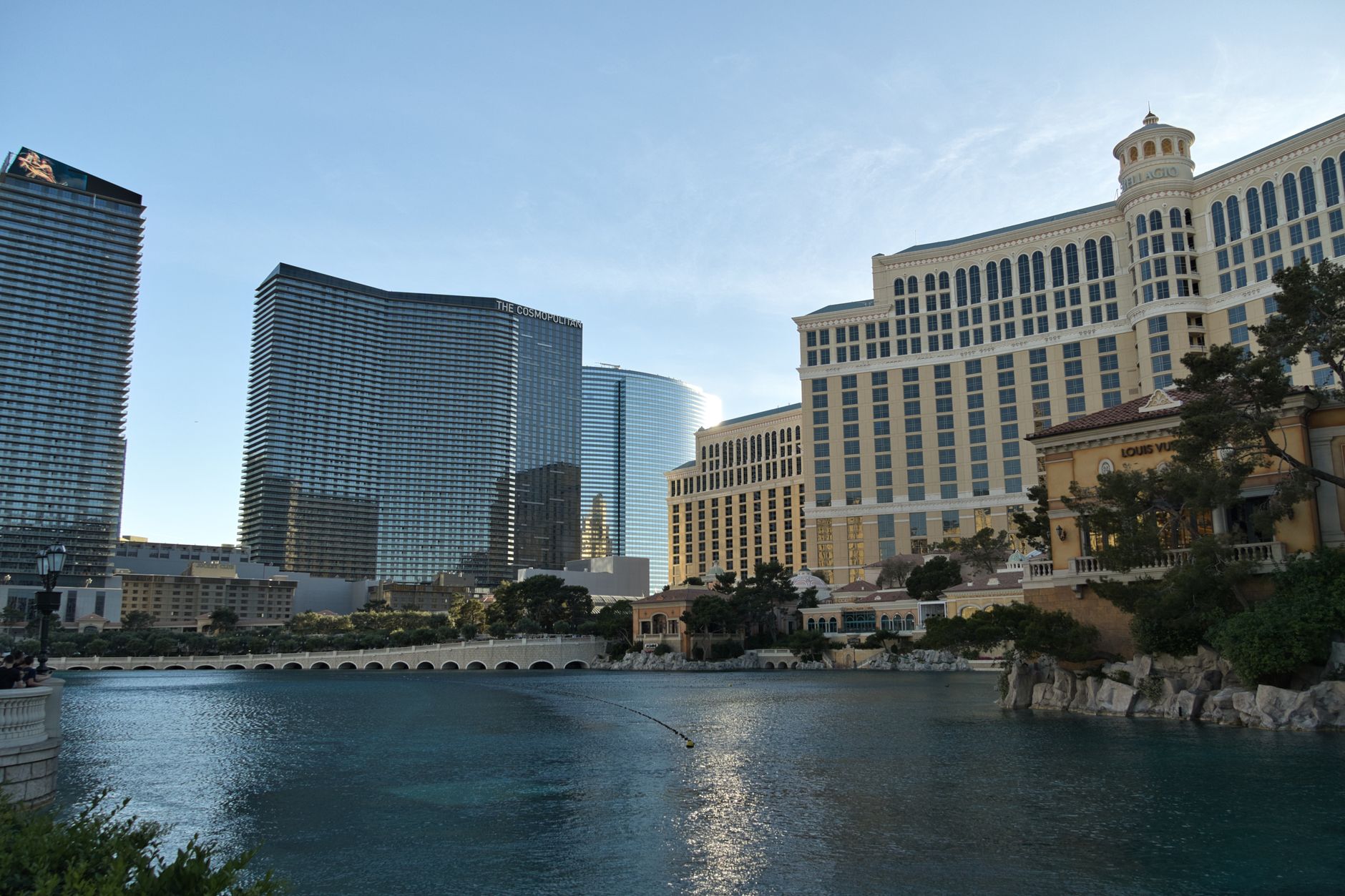
Las Vegas endured a similar arc of lax money-laundering controls, high-profile failures, and a regulatory crackdown. There, punishing sanctions followed, although they haven’t completely eliminated big-time cases, some of which have garnered significant media attention.
The allure of casinos as a vehicle for money laundering is obvious. It’s often a cash business, they covet high-dollar clientele, and transactions there haven’t always been traceable on paper. While most forms of gambling involve built-in theoretical loss, the small leak to the casinos is an inviting price to pay for laundering large sums of money.
The case of Scott Sibella served as a wake-up call to high-ranking Las Vegas hosts and executives. Sibella, who held high-ranking positions at MGM Grand and Resorts World, was stripped of his gaming license and found liable for failing to report a suspicious transaction.
According to investigators, illegal bookie Wayne Nix paid a $120,000 marker owed to the MGM in cash while Sibella was president of the property. Under Sibella’s watch, nobody reported the transaction as suspicious, despite money-laundering controls stipulating they do so.
The Nix case publicly unraveled when federal investigators busted his bookmaking operation, which involved clients such as former MLB star Yasiel Puig. They traced his money and his transactions, which included high-dollar play in Las Vegas.
The same prosecutorial team busted another bookie, Mathew Bowyer, in a similar case. That one resulted in a media frenzy when MLB superstar Shohei Ohtani’s interpreter was implicated as a client. Again, a Sibella-run property invited Bowyer’s high-dollar play, this time Resorts World.
Now, Sibella has lost his gaming license until at least December 2028. MGM, meanwhile, received a fine of $8.5 million from the state gaming control board. Resorts World forked over even more, $10.5 million.
The cases serve as a stark reminder of possible consequences for anti-money-laundering failures. If the B.C. judge rules in Guo’s favor, expect controls to tighten north of the border. Even casinos, loaded as they are, feel a hit when eight-figure fines and settlements start coming down.
Players trust our reporting due to our commitment to unbiased and professional evaluations of the iGaming sector. We track hundreds of platforms and industry updates daily to ensure our news feed and leaderboards reflect the most recent market shifts. With nearly two decades of experience within iGaming, our team provides a wealth of expert knowledge. This long-standing expertise enables us to deliver thorough, reliable news and guidance to our readers.
Latest News