Spanberger Vetoes Virginia Skill Games Bill, Citing Regulatory Gaps and Equity Concerns
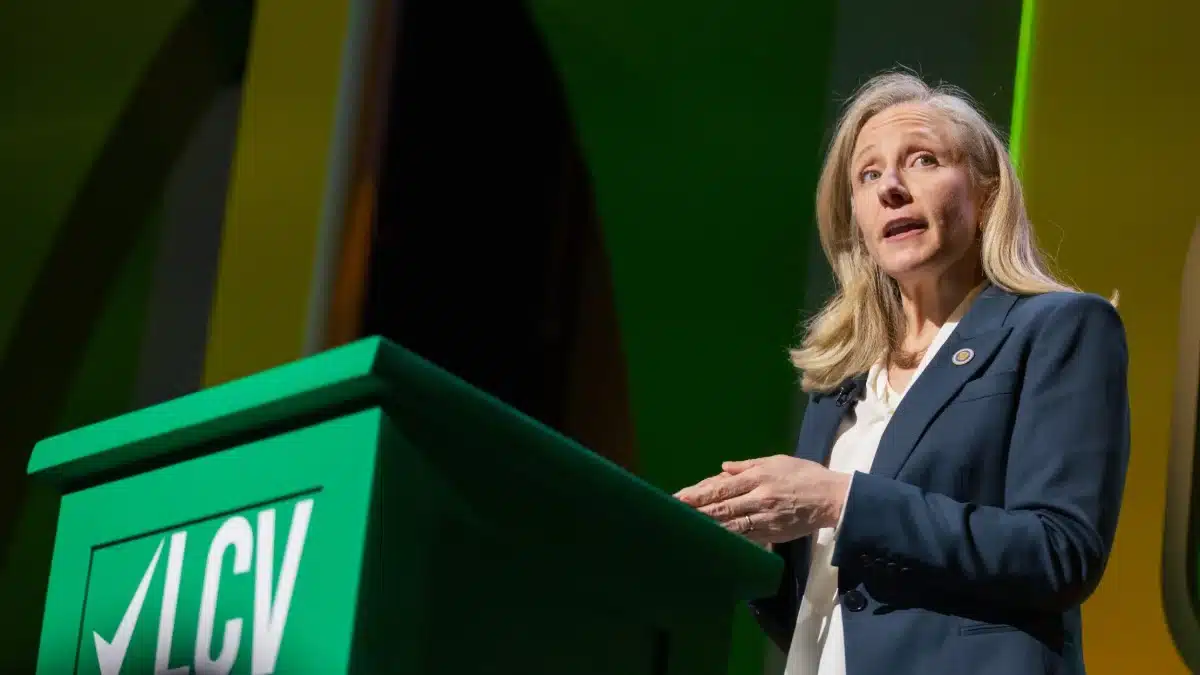
Virginia’s long-running skill games debate has hit another wall.
Governor Abigail Spanberger vetoed Senate Bill 661 in Virginia on Friday, April 10, blocking legislation that would have legalized up to 25,000 electronic skill gaming machines across the commonwealth.
The veto came one day after she also vetoed a separate bill that would have required Fairfax County to hold a referendum on a casino in Tysons Corner, making it her second consecutive day vetoing significant gaming expansion legislation.
What SB 661 Would Have Done
Senate Bill 661 would have established a statewide legal framework for skill gaming. Skill game machines resemble slot machines and require a wager to play, but incorporate an element of player decision-making.
The bill included a 25% tax on machine revenue, placement limits of three machines per convenience store and four per restaurant, and a provision allowing localities to opt out of hosting the devices through voter referendum.
If all 25,000 machines had been approved by the state lottery, the bill’s fiscal note projected the tax would generate $346.8 million annually, based on average machine revenue of $152 per day. The House approved the final version of the bill 57-38 on March 14. The Senate concurred 23-15 the same day.
Why Spanberger Said No
Spanberger’s veto rested on two core arguments. The first was structural. She said Virginia lacks a single, independent, centralized entity responsible for regulating all forms of legal gaming. Without that foundation, she said, legalizing thousands more machines would strain an already fragmented oversight system and create additional gaps in enforcement and consumer protection.
“The absence of a centralized regulatory authority for gaming creates gaps in oversight that threaten the Commonwealth of Virginia’s ability to provide consistent enforcement, prevent illicit activity, and protect all consumers,” she said in her veto statement.
The second argument was rooted in data. Between 2020 and 2021, Virginia briefly allowed skill games to operate legally. The Virginia Alcoholic Beverage Control Authority collected placement and wagering data during that window.
The data showed machines were disproportionately concentrated in communities with higher poverty rates, lower educational attainment, and higher percentages of Black and Hispanic residents. Millions of dollars in wagers flowed out of those communities during the period, with no entity in place to evaluate or mitigate the social and economic impacts.
Spanberger also raised a fairness concern. Some operators continued running skill machines after the prior legal authorization expired. Legalizing the machines now, she said, would reward those operators for knowingly disregarding state law and set a troubling precedent.
A Recurring Battle in Virginia
Virginia has been wrestling with skill games for years. The industry has lobbied aggressively for a legal path to operate, arguing the machines provide meaningful revenue for small businesses. Law enforcement officials and anti-gambling advocates have consistently pushed back.
The debate mirrors similar fights in Pennsylvania, where skill game operators have been locked in a prolonged legal dispute with the state gaming board and casino operators over whether the machines should be classified as legal or illegal. Virginia’s version of the dispute has produced repeated legislative attempts that have been blocked at various stages.
What Comes Next
The General Assembly returns to Richmond on April 22 for its reconvened session. At that point, lawmakers will take up Spanberger’s vetoes, including SB 661. Overriding her veto would require two-thirds of the members present in each chamber to agree. The original votes of 57-38 in the House and 23-15 in the Senate both fall short of that threshold, making an override unlikely.
Spanberger indicated she remains open to future discussions about gaming expansion, provided any approach is built around a unified regulatory structure and prioritizes community well-being.
That condition effectively sets the agenda for any future negotiations over skill games: either the General Assembly moves first to create a centralized gaming authority, or skill games remain illegal in Virginia for at least another legislative session.
Players trust our reporting due to our commitment to unbiased and professional evaluations of the iGaming sector. We track hundreds of platforms and industry updates daily to ensure our news feed and leaderboards reflect the most recent market shifts. With nearly two decades of experience within iGaming, our team provides a wealth of expert knowledge. This long-standing expertise enables us to deliver thorough, reliable news and guidance to our readers.
Latest News