

Kentucky Passes Sweeping Gambling Bill After Chaotic Senate Session
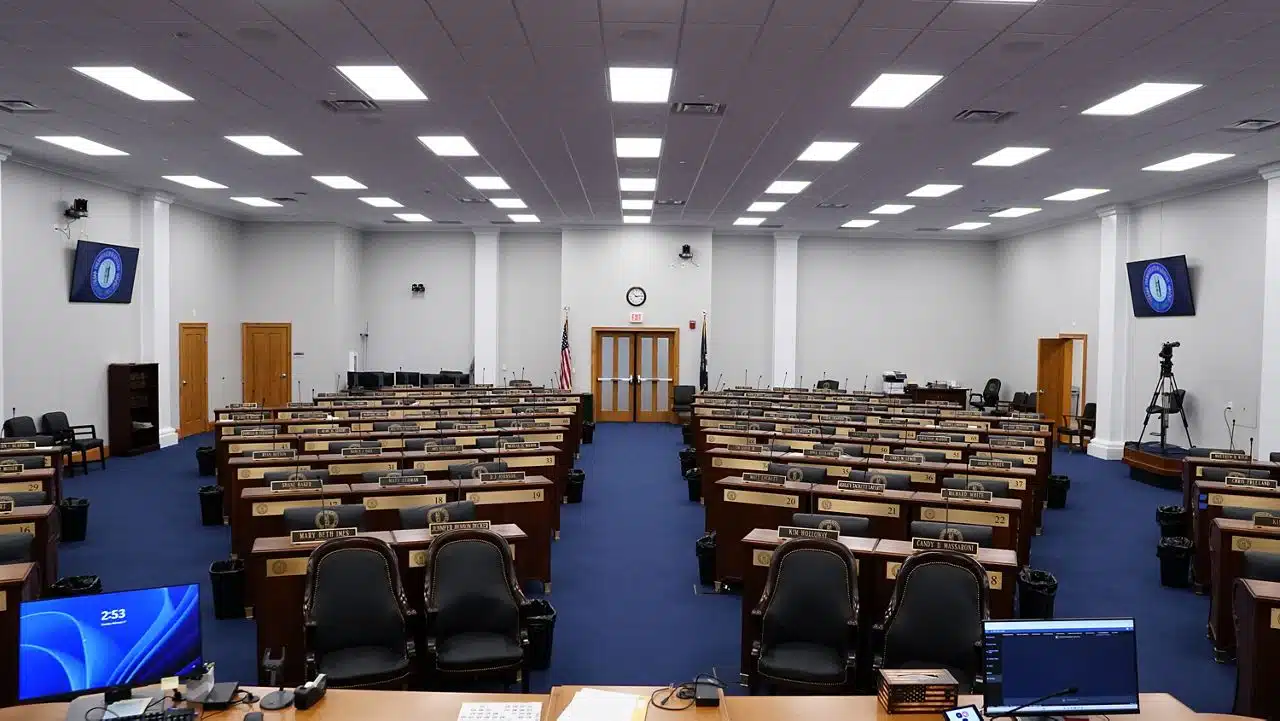
Kentucky’s HB 904 passed the Senate twice in one night after a procedural stumble, overhauling sports betting, fantasy sports, and prediction market rules
It took two votes, a last-minute procedural scramble, and a nearly 14-hour day to get there. But Kentucky’s House Bill 904 is heading to Governor Andy Beshear with a full suite of gambling reforms attached.
The Senate passed the bill at roughly 10 p.m. ET on Wednesday by a 24-13 vote. Then senators realized they had improperly included a floor amendment. They voted again. Same result. About an hour later, the House concurred with the Senate’s changes 64-19.
Wednesday was the final day before lawmakers recess for the veto period, making the procedural chaos all the more consequential.
What the Bill Does
HB 904, sponsored by Reps. Michael Meredith and Matthew Koch touch nearly every corner of Kentucky’s gambling landscape. For sports betting, the bill raises the minimum age to open an account from 18 to 21. It bans player prop bets on in-state college athletes.
It creates a regulatory framework for fantasy sports operators. And it introduces fixed-odds horse racing wagering in the state.
The bill is the product of more than a year of work. Meredith told Gambling Insider the two sponsors effectively merged separate projects that had been developing in parallel. Koch had been focused on charitable gaming reform. Meredith had been building the fantasy sports framework. They collided and combined, went through roughly a half-dozen iterations, and made multiple prediction market revisions before the final version landed.
The Prediction Market Fight That Almost Derailed Everything
The bill’s most contentious provisions involved prediction markets, and they nearly blew the whole thing up on the Senate floor.
The original language in a prior version of HB 904 would have barred operators like FanDuel, DraftKings, and Fanatics from the Kentucky sports betting market entirely if they ran prediction market platforms anywhere in the country. That seemed to be a nuclear option.
Those three operators collectively hold Kentucky sports betting licenses and represent the majority of the state’s $40 million-plus in annual sports betting tax revenue.
The sportsbooks certainly noticed. FanDuel placed a pop-up warning on its Kentucky app over the weekend, alerting users that they could lose access to the platform. A group called Protect Our Freedoms Kentucky, whose messaging referenced FanDuel and DraftKings, launched an online form allowing users to automatically contact their state representatives in opposition.
The pressure worked as planned. By Wednesday morning, a Senate committee approved revised language. The new version does not bar those operators from Kentucky from running prediction markets elsewhere. Instead, it prohibits state-licensed racetracks, sportsbooks, and fantasy sports operators from contracting with a service provider that offers prediction market event contracts specifically within Kentucky.
The Churchill Downs Question Nobody Could Answer
Even the narrowed language caused confusion on the Senate floor. Senate Minority Floor Leader Gerald Neal asked whether the bill’s “service provider” language could prevent Churchill Downs from airing the Kentucky Derby nationally if a broadcast partner ran commercials for Kalshi or Polymarket.
Sen. Jason Howell initially said yes, then walked it back when pressed, saying he wasn’t aware of Churchill’s specific broadcast contracts. That non-answer was enough to cost the bill several votes from Louisville-area senators. Sen. Cassie Chambers-Armstrong said she genuinely liked much of the bill but could not vote for something that might affect Churchill’s ability to broadcast the Derby nationally.
“That’s a very big issue,” she said.
The Credit Card Amendment That Vanished
The night produced one more twist. After the first vote, senators realized they had included an out-of-order floor amendment that would have barred state-licensed operators from accepting credit card deposits. Because the amendment had been attached to the original House version rather than the committee substitute, it was invalid. The second vote stripped it out completely.
Why Wednesday Was So Impactful
Meredith was explicit about why the bill needed to pass before the recess. If HB 904 had been held until the session’s final two days, April 14-15, and Beshear vetoed it, lawmakers would have no ability to override. By passing it on Wednesday, Republicans, who hold 80% of the House and 84% of the Senate, retain the ability to override a veto should Beshear choose to do so.
Meredith said he does not necessarily expect a veto. But with a bill this complex, built over this long, he said preserving the override option was not something he was willing to leave on the table.
Players trust our reporting due to our commitment to unbiased and professional evaluations of the iGaming sector. We track hundreds of platforms and industry updates daily to ensure our news feed and leaderboards reflect the most recent market shifts. With nearly two decades of experience within iGaming, our team provides a wealth of expert knowledge. This long-standing expertise enables us to deliver thorough, reliable news and guidance to our readers.
Latest News