Detroit Set to Become First City to File Amicus Brief Against Prediction Markets

Detroit is seeking to file an amicus brief in the Coinbase v. Michigan prediction-market case, potentially making it the first municipality to formally intervene in such litigation.
Detroit is preparing to insert itself into one of the most active legal battlegrounds in US gaming. The city has filed a request to submit an amicus curiae brief in the ongoing case between Coinbase and Michigan officials.
If approved, Detroit would become the first municipality in the country to formally intervene in prediction market litigation.
Detroit filed the request on March 26 and is seeking to submit its brief by April 3.
Why Detroit Has Legal Standing to Act
Detroit’s interest is not abstract. The city is home to Michigan’s three commercial casinos. Those properties collectively generated more than $100 million in monthly revenue in both January and February 2026, according to the Michigan Gaming Control Board. The state collected more than $24 million in taxes across those months.
That financial exposure gives Detroit a direct stake in how prediction market platforms are treated under state law.
As event contracts increasingly resemble traditional sports wagering, locally regulated operators face potential competition from platforms that operate without state gaming licenses. Detroit’s amicus brief signals the city may view that competition as a genuine threat to its gaming tax base and to the licensed operators that anchor its commercial casino economy.
The Coinbase Case at the Center
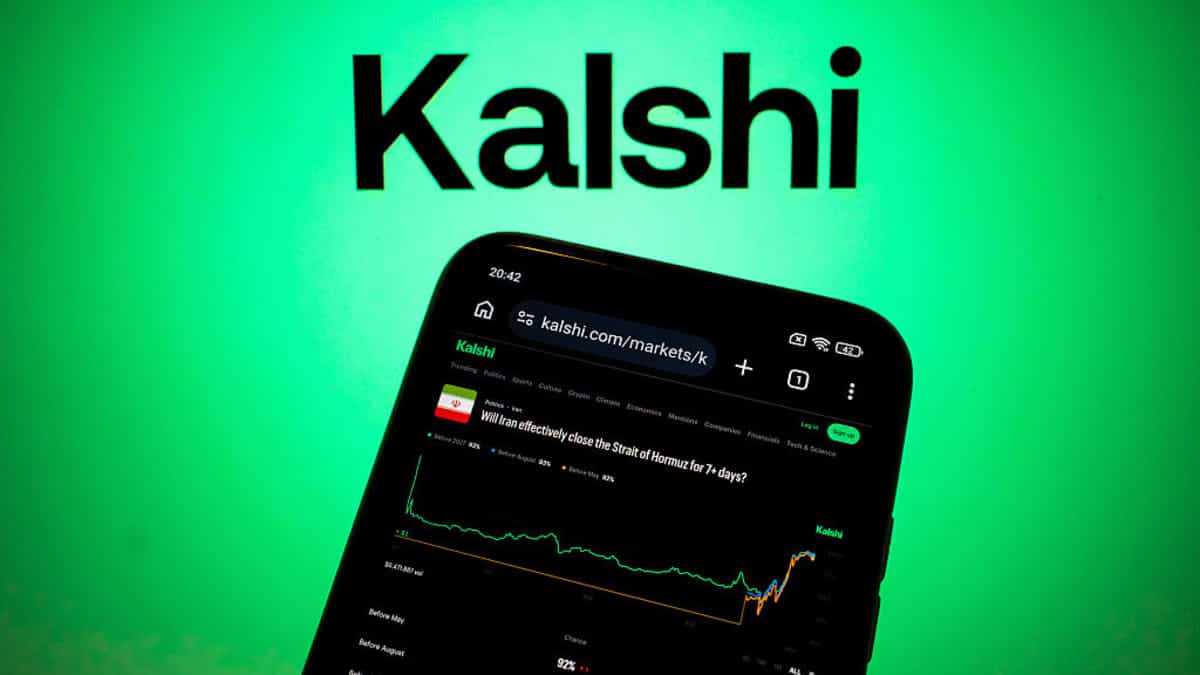
Detroit’s action targets the Coinbase lawsuit against Michigan officials. Coinbase entered the prediction market space through a partnership with Kalshi.
It filed its Michigan lawsuit just one day after announcing that deal. The company is seeking to block state officials from enforcing gambling laws against federally regulated event contracts.
In its filings, Coinbase argues that applying Michigan’s gambling framework to its products would expose the company to civil and criminal liability for facilitating trades it considers subject exclusively to CFTC oversight. State officials maintain that contracts tied to sporting events fall squarely within Michigan’s existing gambling statutes.
Tribal gaming groups have backed the state. They argue that federal preemption claims from platforms like Coinbase could disrupt the state-tribal gaming compacts that govern regulated sports betting in Michigan.
A Multi-Front Legal Battle in Michigan
Coinbase is one of several platforms that have engaged in Michigan litigation. Earlier this month, Attorney General Dana Nessel filed a civil enforcement action against Kalshi. The following day, Polymarket sued Nessel and the state. Later that same day, Robinhood also filed a federal lawsuit seeking declaratory and injunctive relief.
A federal judge denied Polymarket’s request for a temporary restraining order on March 10. State enforcement in that case has continued. The Kalshi and Robinhood matters have seen no major developments since they were filed.
Michigan now has active litigation involving four separate prediction market platforms simultaneously.
Municipal Governments Enter the Enforcement Landscape
Detroit is not the only local government taking an active posture toward emerging gaming formats. Baltimore recently filed a lawsuit against six major sweepstakes casino operators. The city alleges their platforms constitute illegal online gambling under Maryland law and violated its Consumer Protection Ordinance by offering casino-style games in a state where online casino gambling is not authorized.
Baltimore’s case targets the sweepstakes industry’s dual-currency model, which has attracted increasing legislative scrutiny across the country. Multiple states have advanced bills to ban sweepstakes casinos outright.
The two cases are separate. Baltimore targets sweepstakes operators. Detroit’s targets prediction markets. But taken together, they suggest a broader shift in gaming enforcement. Cities and municipalities with significant gambling revenue are beginning to take independent legal positions rather than waiting for state action alone.
As unregulated or federally positioned platforms expand their reach, local governments with licensed casino economies are signaling they will fight to protect their share of that market.
Players trust our reporting due to our commitment to unbiased and professional evaluations of the iGaming sector. We track hundreds of platforms and industry updates daily to ensure our news feed and leaderboards reflect the most recent market shifts. With nearly two decades of experience within iGaming, our team provides a wealth of expert knowledge. This long-standing expertise enables us to deliver thorough, reliable news and guidance to our readers.
Latest News