Minnesota Lawmakers Advance Aggressive Bans on Sweepstakes Casinos and Prediction Markets

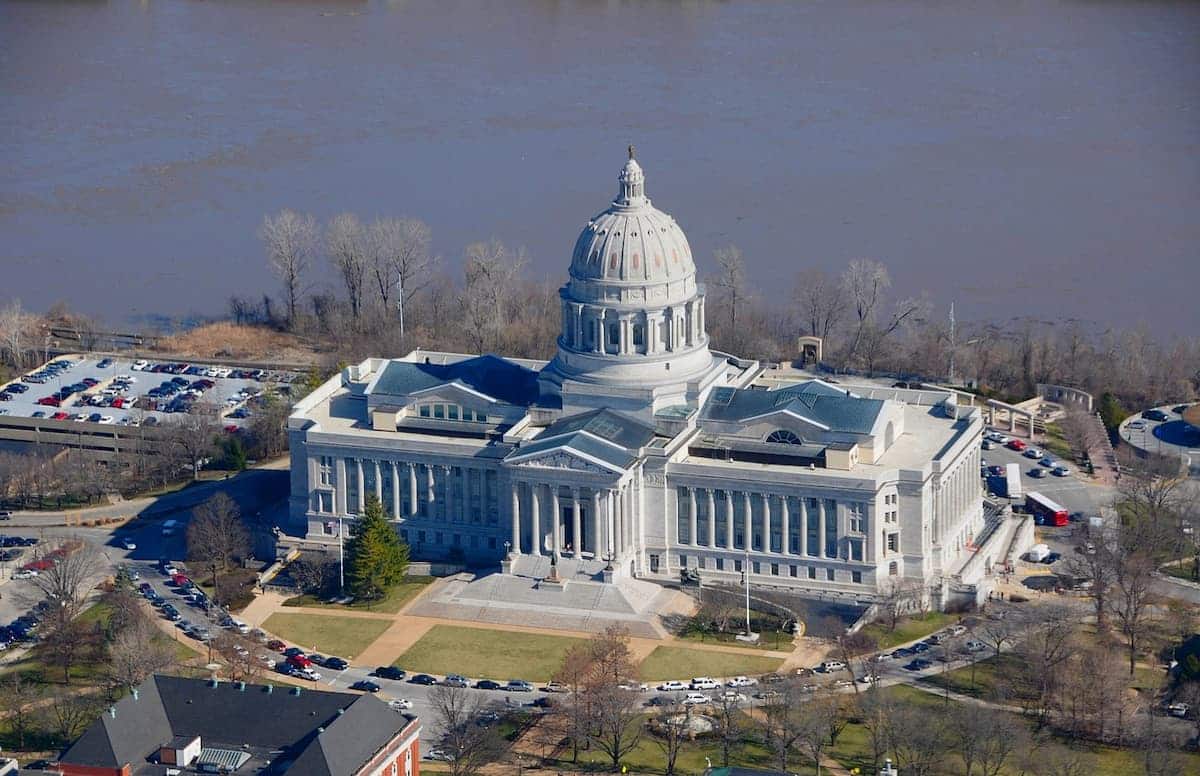
Credit: Myotus/Wikimedia Commons
Two bills that would outlaw sweepstakes casinos and prediction markets in Minnesota cleared committee hurdles on March 24. They now move a step closer to floor votes and put the state on track to become the latest to crack down on both industries.
SF 4474, which targets online sweepstakes platforms, passed the Senate Commerce and Consumer Protection Committee. Lawmakers then referred it to the Judiciary Committee.
HF 4437, which would make operating a prediction market a felony offense in the state, secured approval from the House Public Safety Finance and Policy Committee, and lawmakers re-referred it to the Commerce, Finance and Policy Committee. Tuesday’s movement signals enough legislative appetite to carry the two bills forward close to a full chamber vote.
Closing the Sweepstakes Loophole in Minnesota
There has been a steady crackdown against sweepstakes gambling across the U.S. over the past couple of years. In Minnesota, SF 4474 seeks to clear up what lawmakers have long treated as a legal gray area.
The bill defines an “online sweepstakes game” as an internet- or mobile-accessible game that uses dual-currency systems, allowing players to exchange virtual currency for cash, prizes, or additional chances to win, and that simulates casino-style gambling. Under that definition, the law would prohibit operators from running, conducting, or promoting such a game in Minnesota.
Liability wouldn’t remain confined just to the platforms. Regulators would also hold payment processors, geolocation providers, gaming content suppliers, platform providers, and media affiliates liable. The commissioner of public safety would be able to enforce penalties against any individuals or entities knowingly accepting revenue, directly or indirectly, from prohibited sweepstakes games.
Bill sponsor Senator Jordan Rasmusson said when presenting the bill to the committee that sweepstakes “effectively” allow “online gambling to occur in Minnesota.”
For and Against the Sweepstakes Bill in Minnesota
He framed the legislation as a clarification of existing law rather than a new regulation. Tribal gaming representatives and charitable gaming stakeholders both support the bill, arguing that sweepstakes sites exploit a promotional loophole to avoid taxation, licensing, and consumer protection requirements that regulated operators must follow.
Industry representatives have pushed back. The CEO of ARB Interactive, which operates sweepstakes brand Modo Casino, Patrick Fechtmeyer, said that eliminating online sweepstakes without providing a legal online casino alternative would redirect demand to black market operators.
Prediction Markets in the Crosshairs
Popular prediction market platforms like Kalshi and Polymarket have also come under fire in many states, as regulators argue they should fall under state oversight rather than federal.
HF 4437 progressed on Tuesday in Minnesota and would amend the state’s existing gambling statutes to make it a felony to operate a business that lets participants place bets or financial positions on the outcomes of future events across a broad range of categories, including sports outcomes, casino-style contests, catastrophic events, and elections.
The bill would also make it a felony to advertise these platforms close to schools, during live sports broadcasts, or to audiences where more than 10% of the audience is younger than 21.
Bill sponsor State Rep. Emma Greenman said in the House Public Safety Finance and Policy Committee that prediction markets exploded in popularity over the past year, “without the guardrails and safeguards” that states have put in place for many years around gambling.
She said that sites like Polymarket effectively operate as unregulated sportsbooks, profiting from collecting fees rather than taking the risks of a trade themselves.
As well as raising consumer protection concerns, such as age verification and anti-money laundering requirements, Greenman also highlighted integrity concerns. She pointed to recent insider trading scandals and explained how prediction markets can create incentives for people to actually influence the outcomes they’re betting on.
Committee members shared similar ethical concerns. They also noted that implementing the legislation could prove legally complicated, but they still decided to send it forward. Both bills would take effect from Aug. 1, 2026, if lawmakers enact them.
A Widening Crackdown
Minnesota is far from alone in moving against both industries. More than a dozen states introduced bills to ban sweepstakes in 2025, with Montana, Connecticut, California, New Jersey, and New York all passing legislation. Several other states stopped short of full bans, instead choosing to issue cease-and-desist orders.
States like Florida, Indiana, Maine, Mississippi, and Maryland have all filed or pre-filed sweepstakes ban bills so far in 2026.
There has also been similar momentum against prediction markets. Almost a dozen states have introduced prediction market legislation in 2026. Lawmakers have taken varied approaches, with some trying to fully ban these platforms and others proposing taxation frameworks.
Perhaps the most notable effort involved the Nevada Gaming Control Board securing a 14-day temporary restraining order that blocked Kalshi from operating in the state. Pressure is also building at the federal level after Sens. Adam Schiff and John Curtis introduced the Prediction Markets Are Gambling Act, which would block CFTC-licensed sites from offering contracts related to sports or casino-style games.
With momentum building at both state and federal levels, Minnesota’s latest efforts indicate that the regulatory window is closing fast for gray-market operators. Whether these bills pass or not, states are no longer willing to tolerate unregulated gambling alternatives operating in legal limbo.
Image credit: Myotus/Wikimedia Commons (license)
Players trust our reporting due to our commitment to unbiased and professional evaluations of the iGaming sector. We track hundreds of platforms and industry updates daily to ensure our news feed and leaderboards reflect the most recent market shifts. With nearly two decades of experience within iGaming, our team provides a wealth of expert knowledge. This long-standing expertise enables us to deliver thorough, reliable news and guidance to our readers.
Latest News