New Polymarket Accounts Raise Fresh Insider Trading Concerns Over Iran Ceasefire Bets

Experts say a cluster of newly created Polymarket accounts that bet heavily on a US-Iran ceasefire before Trump hinted at peace talks show signs of insider knowledge.
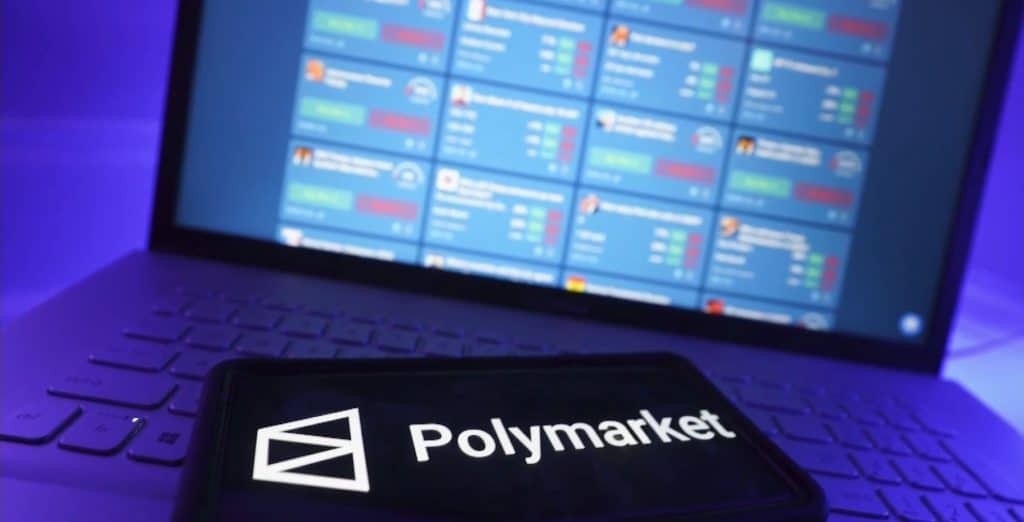
A pattern of suspicious betting activity on Polymarket has emerged around the ongoing US-Iran conflict. Eight newly created accounts placed nearly $70,000 on a ceasefire between the United States and Iran before March 31. If that outcome materializes, the accounts stand to collect approximately $820,000. All eight accounts were created around March 21.
They placed their bets before President Trump posted on Truth Social that the US was considering winding down military operations in Iran.
This is the latest wave of insider trading flags involving prediction markets. The Super Bowl was tied to some major insider trading allegations. As there were some earnings calls for KPMG
Experts say this pattern also looks like insider trading.
The Exact Activity of the Flagged Accounts
The timing is the central concern. On March 21, Polymarket’s estimated probability of a ceasefire before March 31 stood at just 6%.
The newly created accounts bought in at that price. By March 23, after Trump publicly acknowledged productive talks with Iran, the implied probability had jumped to 24%. More than $21 million is now wagered on that outcome across the platform.
Analysts flagged an additional red flag. Rather than a single large wager, the money was spread across multiple accounts.
This practice, known as wallet splitting, can obscure the true size and origin of a position. Ben Yorke, a former CoinTelegraph researcher now building an AI trading platform, examined the activity. He told The Guardian that the wallets “definitely look like someone with some degree of inside info.”
“Typically, when you see wallet splitting and deliberate attempts to obfuscate identity, it’s one of two scenarios,” Yorke said. “Either a very large investor trying to shield their position from market impact, or insider trading.”
A Recurring Account Adds to Suspicion
One of the accounts involved in the ceasefire bets has a prior history that compounds the concern. The same account had previously placed a winning wager on the initial US strike against Iran in late February. That bet was placed shortly before the strikes occurred.
The account had not placed any other trades between that win and its participation in the ceasefire market.
The pattern mirrors earlier controversies on the platform. Earlier this year, accounts on Polymarket made substantial profits on markets tied to US military action in Venezuela, with trades placed hours before the operations became public knowledge.
Polymarket’s accounts are anonymous. Tracing the owners of specific crypto wallets is difficult. That anonymity, which the platform depends on as an offshore product, is also what makes accountability for potential insider trading nearly impossible under current oversight structures.
The Bet Still Has a High Bar to Clear
Even if the accounts hold insider knowledge, a payout is not guaranteed. Polymarket’s rules require clear public confirmation from both the US and Iranian governments that they have agreed to halt military hostilities.
Without simultaneous confirmation from both sides, the market will not resolve in favor of a ceasefire. The political situation remains volatile.
Industry Context with Prediction Market impact
The pattern is the latest in a series of incidents raising questions about prediction markets and geopolitical insider trading. The BETS OFF Act, introduced in Congress last week by Senator Chris Murphy and Rep.
Greg Casar, cited nearly identical behavior around the Iran strikes as a primary justification for legislation. Both Kalshi and Polymarket have announced new surveillance measures in recent days in response to growing political pressure.
The anonymity of offshore prediction market platforms, combined with the potential for enormous returns on well-timed political bets, continues to raise questions that existing regulatory frameworks are not equipped to answer.
Players trust our reporting due to our commitment to unbiased and professional evaluations of the iGaming sector. We track hundreds of platforms and industry updates daily to ensure our news feed and leaderboards reflect the most recent market shifts. With nearly two decades of experience within iGaming, our team provides a wealth of expert knowledge. This long-standing expertise enables us to deliver thorough, reliable news and guidance to our readers.
Latest News