

Louisiana HB 53 Would Add Gambling Offenses to Racketeering Law
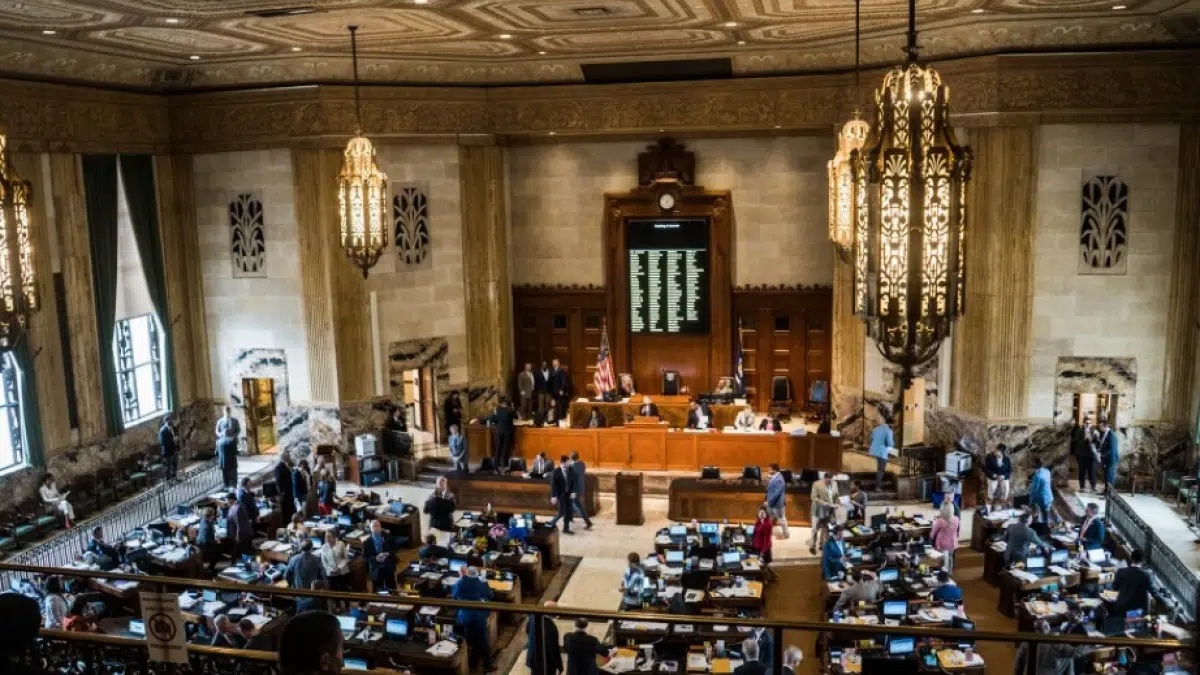
Louisiana lawmakers introduced HB 53 to classify certain gambling crimes as racketeering predicate offenses, with potentially tougher penalties.
Louisiana legislators have introduced House Bill 53 (HB 53) in the 2026 Regular Session, a measure designed to broaden the state’s racketeering law by adding various gambling-related offenses to the list of predicate acts that can trigger racketeering charges.
Filed by Republican Rep. Bryan Fontenot, the bill was prefiled and introduced on January 30, 2026, and is currently pending before the House Administration of Criminal Justice Committee.
What HB 53 Would Do
Under current Louisiana law, racketeering charges require proof that a defendant engaged in specific racketeering acts as defined under statute. HB 53 would expand that list by designating additional gambling offenses as predicate acts that can form the basis of a racketeering prosecution.
Specifically, the bill would add the following offenses to the racketeering statute:
- Gambling (general)
- Gambling in public
- Gambling by computer
- Gambling or wagering at cockfights
- Gambling via electronic sweepstakes devices
- Unlawful wagering/prohibited player activity
- Bribery of sports participants
These additions would be codified under R.S. 15:1352(A)(89)–(95), effectively making such offenses part of the definition of racketeering activity in Louisiana.
Why the Change Matters
Racketeering laws carry significant penalties. In Louisiana, racketeering convictions can expose defendants to decades in prison and millions of dollars in fines, penalties that far exceed those associated with most standalone gambling offenses.
By classifying multiple gambling crimes as racketeering predicates, lawmakers would be giving prosecutors a broader toolset to pursue organized illegal gambling operations, including sweepstakes casinos and other unlicensed gambling activity that has proliferated in recent years.
Supporters say the measure would bolster enforcement against unlawful gambling operators and related criminal enterprises. Opponents, though not yet widely documented in public comments, are likely to question whether the expanded definition could sweep up minor offenders or be applied unevenly without clear guidance.
Context: Sweepstakes Casinos and Enforcement Gaps
Louisiana does not currently have a formal statutory ban on sweepstakes casinos, a unique business model that has proliferated in the state despite regulatory scrutiny.
Authorities and the Attorney General’s office previously took administrative actions against some operators, but no specific legislation definitively outlawing them has passed.
HB 53 appears aimed at broadening enforcement options by tying certain gambling offenses to the state’s racketeering laws rather than creating standalone prohibitions. Under a racketeering theory, prosecutors could pursue sweepstakes operators and others if they can show a pattern of predicate gambling offenses.
Legislative Status and Next Steps
As of early February 2026, HB 53 remains in the early stages of the legislative process. After its interim calendar appearance on January 30, it was referred to the House Administration of Criminal Justice Committee for further deliberation.
Committee hearings, amendments, and potential floor votes will determine whether the bill advances this session. Like all introduced bills, it must clear committee hurdles and both legislative chambers to reach the governor’s desk.
Implications for Gambling Enforcement
If adopted, HB 53 could reshape how Louisiana handles illegal gambling and related operations. Racketeering charges, which already apply to organized criminal activity, could bring tougher penalties and broader enforcement powers for prosecutors going after illegal gambling rings, sweepstakes operators, or networks of unlicensed gaming devices.
Critics of aggressive gaming enforcement often argue that overly broad statutes can unintentionally ensnare low-level participants or small operators, but proponents say expanded tools are necessary to curb persistent illegal markets.
What to Watch
Key questions as HB 53 moves forward will include:
- How the language defines the included gambling offenses
- Whether legislators add exemptions or limits to avoid overreach
- How enforcement agencies intend to apply the expanded racketeering definitions if enacted
In a broader context, HB 53 is part of a nationwide trend of states reevaluating and tightening gambling laws, including sweepstakes casino restrictions and gambling ad limits, as scrutiny grows over consumer protection and regulatory enforcement.
Players trust our reporting due to our commitment to unbiased and professional evaluations of the iGaming sector. We track hundreds of platforms and industry updates daily to ensure our news feed and leaderboards reflect the most recent market shifts. With nearly two decades of experience within iGaming, our team provides a wealth of expert knowledge. This long-standing expertise enables us to deliver thorough, reliable news and guidance to our readers.
Latest News