Occupational therapy in gaming
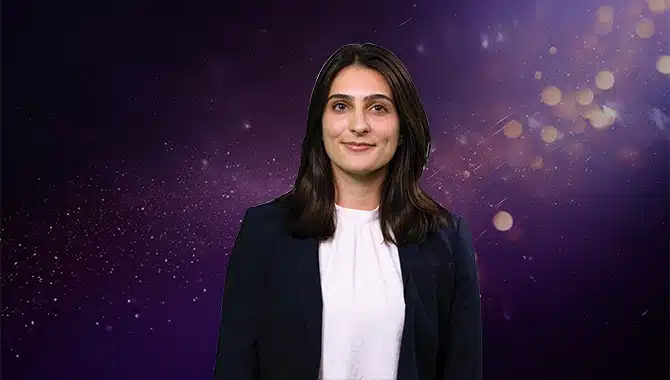
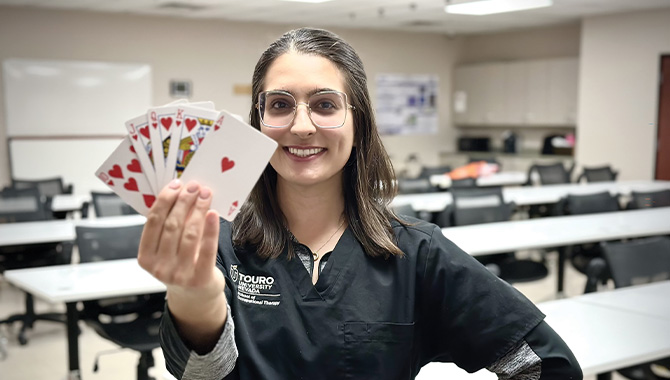
Megan Elswyth sits down with Jasmine Klapperich, a second-year occupational therapy student at Touro University Nevada, who wants to create a completely new job role within the casino industry: occupational therapists… for poker.
The world of poker is unique, even within gaming as a wider entity. There is drama, famous players, different styles of playing and regulars each night with an ever-evolving storyline of bad beats, bluffs and battling for the bubble. But all of this comes at a cost, one that any poker player or dealer would be able to tell you about. The game does not simply drain your mental resources, but your physical ones too. It might seem unlikely, after all, aren’t the players just sat there all evening?
Well yes, and that’s exactly the problem.
After bonding with her father over poker, Jasmine Klapperich fell in love with the game and its precise blend of strategy, maths and psychology. The more time she spent at the tables, the more she became aware of how little the game has evolved in terms of ergonomics and the strain felt by both players and dealers alike. Between the long hours, the lack of movement and repetitive motions, live poker can easily lead to long-term discomfort and pain. She is now studying occupational therapy at Touro University Nevada – and thinks she has found a gap in the market.
So this is something that I’ve experienced myself. After dealing poker for many years, I had to undergo occupational therapy for repetitive strain injury in my hands and strain in my neck. Do you think croupiers would benefit from this sort of education and support?
That’s exactly my vision. I see occupational therapy coming into the picture, and for anyone who’s not sure what occupational therapy is, it is the process of helping people do what they need or want to do based on what occupations are important and meaningful to them. This could be your career, your role as a mother, you could be taking care of someone, or even preventing burnout. So when the environment is inhibiting someone from performing, whether that’s being a professional poker player or being a dealer in this case, this can lead to injury.
This injury can then cause them to take breaks and take time off their job. I’ve seen dealers on the Las Vegas Strip having to use this kind of equipment to do their jobs at the tables. They will often bring cushions, a rake to bring in the chips, or even compression gloves to help with the pain. I think a lot of it, in terms of poker, is looking at environmental adaptations. How can we fit the environment to you? Rather than having these standard tables and chairs, is there something we can change? In the past five, or even 10 years, poker has changed so much; yet the poker rooms haven’t changed very much at all. The equipment itself hasn’t been adapted to suit a wider range of people or needs.
In recent years, I’ve become more health-conscious – and I don’t think I’m the only one. People are exercising more, they’re eating better, becoming more aware of their posture and not sitting for so long. But I think because there’s still a stigma of being a poker player, or a professional gambler, it can be easy to overlook making improvements to this aspect of your life. Looking at dealers right now, the World Series of Poker (WSOP) is going on and there is such a high influx of dealers right now working extreme hours. In those months, if we could have an occupational therapist come in and assist them, give them exercises and make sure their equipment is fitting correctly for them, that could avoid some of the injuries you’ve experienced, in my opinion.
So most of the table games, especially out in the pit, they’re fun and the gameplay loop is short. But with poker, the players are sitting still for hours and hours at a time. What kind of stresses does that put on the body that is unique to that game?
Perhaps the most unique aspect of poker is that when you play the other table games, it is appropriate to stand up. This means you can stretch your muscles, encouraging blood flow and movement in general. You always see people standing up around the blackjack and roulette tables but, with poker, it’s much less socially acceptable. Due to the nature of the game, not only are you trying to protect your cards, but other players are too.
A lot of people don’t really stand up because it can be awkward to be standing next to your opponent when you’re in a hand and you are the only one stood up. People only really stand up to go to the restroom or to take a phone call, they don’t even stand up to eat. Players will eat at the table. Because of this, the tables are much lower in the poker rooms than in the pit. Everyone is seated, even the dealers, which means they are not designed to be used any other way.
When you’re standing or sitting for a long period of time, this can introduce different pressures on the body. The parts of the body that are most affected in this case are the hands, the neck, the back and lower spine. Within the poker world, the dealer is sitting for so long and their neck is constantly in flexion; they’re looking down all the time. So are all the players. You rarely see people looking up or stretching. Dealers also don’t have a great way to keep their wrist in a neutral position. So a lot of them always have their wrist flexed or extended and that can also cause carpal tunnel syndrome if you have your wrist in flexion for long periods of time. It puts compression on the median nerve and this can cause numbness and tingling in the fingers. A lot of my clients were poker dealers or poker players, and many of them had tendinitis in their fingers or carpal tunnel in their wrists.
Many esports teams are now integrating occupational therapy into the wider support availble to players and teams. Do you think land-based gaming is behind on this?
I do think so. I’ve tried to research whether people have looked at the potential effects of introducing occupational therapy and the way this can assist with injuries from overuse between dealers and players. The only studies I could find were conducted in Asian countries or abroad. So far, nothing in this regard has been studied in the US, and the few studies that are from this country didn’t look into these issues specifically. It was looking into how casinos can impact hotel workers, or environmental hazards like how smoking in the casino can impact dealers, but nothing in the physical aspect of that. I do believe we’re behind in this research, especially in the US.
What incentive is there for gambling companies to invest in occupational therapists for croupiers?
I think the incentive for casinos is there. It would be an amazing incentive if I’m a dealer and I’m told I can get occupational therapy while I’m a dealer to prevent injuries, and also just for overall health reasons. Occupational therapists can help with routines, roles, habits, diet and sleep. It really opens up a whole avenue that I think a lot of casinos haven’t looked into, but they should if they want to be progressive and be ahead of the game. With how society is moving, people are more health conscious.
There are dealers I’ve met that have dealt for 30 years and you can just see the wear and tear on them, and that doesn’t really make people want to deal for sure. It’s a tricky job. When you start, you don’t really realise the implications physically and even mentally that dealing can put on you.
If casinos can see the financial value behind supporting their staff, and how it will reduce time off, recruitment costs from high staff turnovers, workplace compensation etc, then that’s an incredible incentive for them. It’s always more profitable for a company to train good staff and keep them, rather than getting stuck in a cycle of hiring and rehiring.
Players trust our reporting due to our commitment to unbiased and professional evaluations of the iGaming sector. We track hundreds of platforms and industry updates daily to ensure our news feed and leaderboards reflect the most recent market shifts. With nearly two decades of experience within iGaming, our team provides a wealth of expert knowledge. This long-standing expertise enables us to deliver thorough, reliable news and guidance to our readers.
Latest News