Bally’s Drags Its Heels on Resort Portion of Las Vegas Athletics Stadium Project
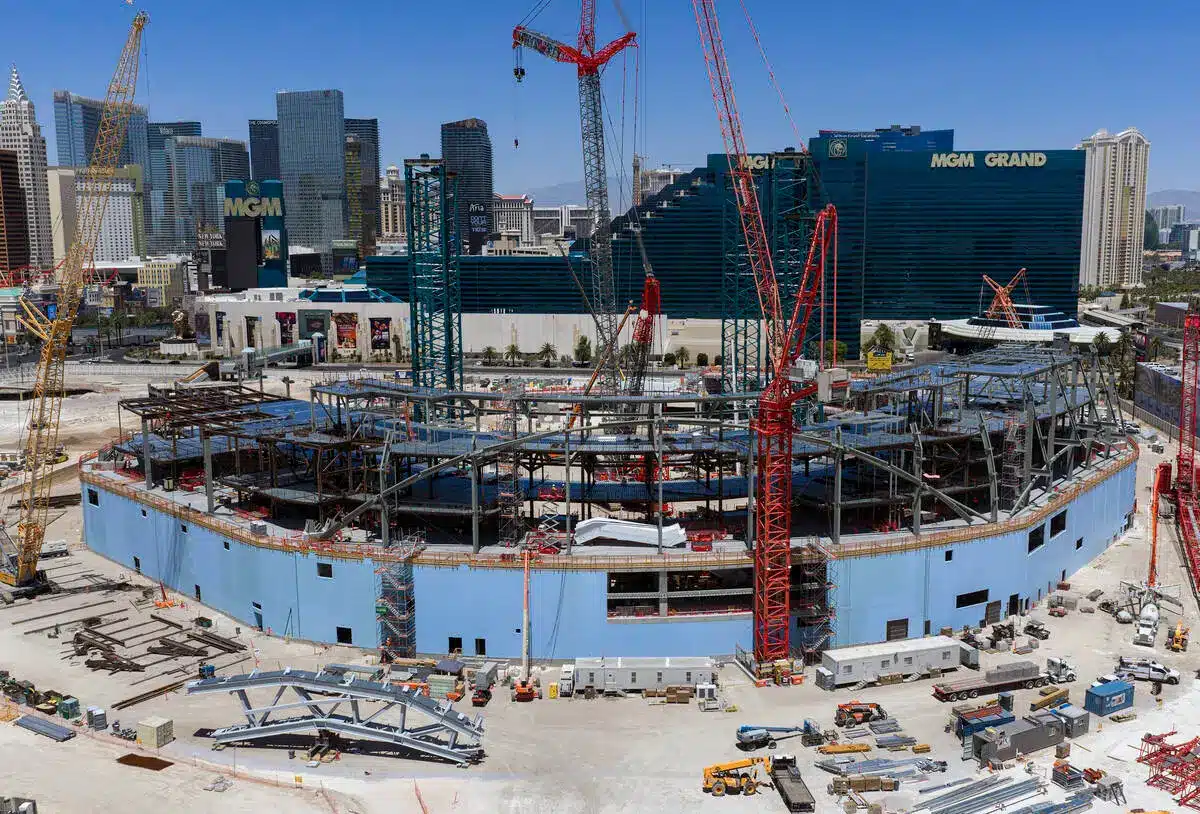
Bally’s appeared before the Nevada Gaming Commission this week seeking approval on financial matters.
Commissioner Brian Krolicki used the opportunity to press for an update on the company’s timeline for its portion of the mixed-use campus surrounding the Las Vegas Athletics ballpark. What he got was a clarification that quietly reset expectations for what Bally’s has actually committed to delivering alongside the stadium’s April 2028 opening.
Krolicki opened the exchange by asking for updates on FAA height restrictions and the timing for Bally’s side of the master plan, noting that with the stadium targeting an April 2028 opening, Bally’s would be, in his words, “hard-pressed to have that timeline with the stadium.” He recalled that at a prior Nevada Gaming Control Board meeting, a Bally’s representative named Ms. March had indicated the “valley side of the project would also be completed and available by opening of the stadium,” and that he understood at minimum the aspects beyond the casino, which had already been flagged as unavailable by then-Bally’s chairman Soo Kim, would be in place.
Bally’s attorney, Dan Reaser, stepped in to correct the record. The commitment Bally’s had made, he clarified, was specifically to the “red district,” which he defined as the retail entertainment and dining component of phase one. Not the hotel towers and not a full-scale casino.
The Bally’s executive present before the board, then softened even that, telling Krolicki it would be “ideal from our standpoint to have amenities available when the stadium opens,” but that the company would need to firm up the timeline once entitlement approvals came through from Clark County, which itself is waiting on FAA clearance on proposed height restrictions for the two hotel towers before proceeding to agenda.
Discrepencaies Regarding Bally’s Commitments Have Surfaced
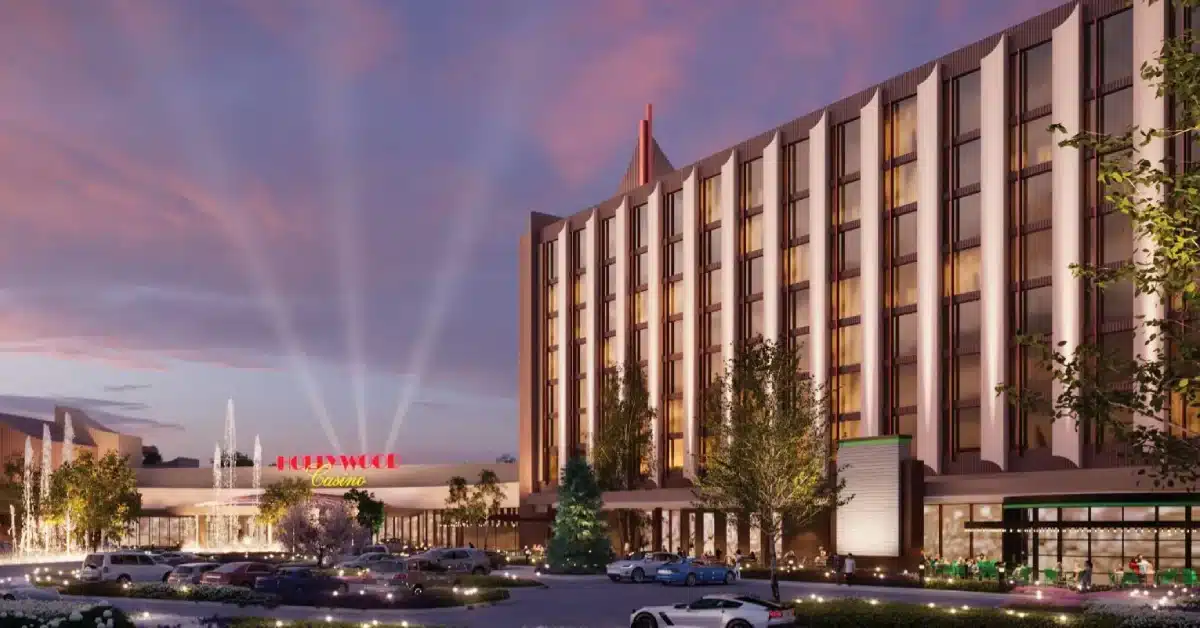
The distinction Reaser drew isn’t exactly. a minor detail, given how the project has been publicly presented. The 35-acre campus surrounding the Athletics ballpark was envisioned as an integrated development: the stadium on nine acres, with Bally’s hotel towers, casino, retail, restaurants, and entertainment infrastructure occupying the remaining 26 acres. The renderings accompanying the project’s announcement depicted a vibrant, fully built-out resort environment framing the ballpark. What Reaser told the commission is that the legal commitment for opening day is considerably narrower than those renderings implied: a retail entertainment district, timing still to be firmed up pending entitlements that have not yet been received.
That revised explanation lands alongside reporting we covered recently in The Athletic, in which Las Vegas Convention and Visitors Authority head Steve Hill told reporters that Bally’s still does not have the financing in place to build its portion of the project, and that the stadium authority had given Bally’s an August deadline to produce a credible financing plan.
The commission exchange confirms the same picture from the other direction: Bally’s own attorney, before a regulatory body, drew a careful line between what the company has committed to and what the commissioner thought it had committed to, and those two things are clearly not the same.
The FAA Delay Could Get Bally’s Out of Hot Water, Sort of
The underlying entitlement issue provides Bally’s with a defensible explanation for the lack of a firm timeline. Clark County has indicated it is prepared to move the hotel tower land-use applications to the agenda, but will not do so until it receives FAA approval for the proposed building heights. That approval has not come, and without it, the county cannot approve the applications. That means that Bally’s cannot break ground on the towers, and the question of whether the towers could conceivably be delivered anywhere near the stadium’s opening date becomes moot.
What the FAA delay does not explain is the financing question Hill raised separately. A company with financing in place could, at a minimum, move forward with the retail district, infrastructure, and groundwork while the tower approvals are pending. The common infrastructure Bally’s referenced in the commission meeting, podium, electrical, and utilities, described as progressing, is exactly the kind of work that can advance regardless of the FAA’s answer on tower heights. Whether the pace of that progress reflects the financing constraints Hill described is a question Bally’s has not answered publicly.
Krolicki closed the exchange with diplomatic language, describing his questions as asked out of “eagerness and excitement” and noting that the Bally’s Las Vegas project had been cited the previous day at the Economic Club of Las Vegas by the Wynn chairman as one of the crucial pieces of the Las Vegas tourism puzzle going forward. The enthusiasm was genuine, but unfortunately, so was the gap between what the commissioner thought had been promised and what Bally’s attorney said was actually on the record.
Players trust our reporting due to our commitment to unbiased and professional evaluations of the iGaming sector. We track hundreds of platforms and industry updates daily to ensure our news feed and leaderboards reflect the most recent market shifts. With nearly two decades of experience within iGaming, our team provides a wealth of expert knowledge. This long-standing expertise enables us to deliver thorough, reliable news and guidance to our readers.
Latest News