FanDuel’s Third Round of Layoffs in a Year Signals Something Bigger Than Cost-Cutting

FanDuel’s third round of layoffs in a year, following a CEO exit and TV shutdown, points to something more than routine cost management.
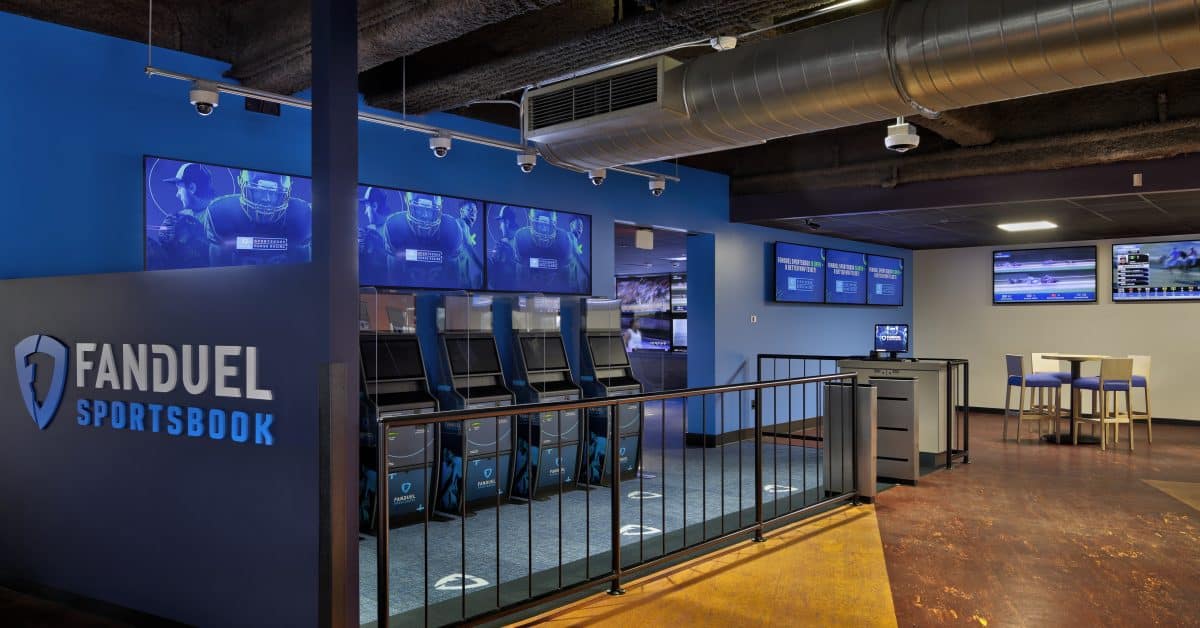
FanDuel has undergone its third round of layoffs in less than a year, cutting a few hundred employees across software engineering, customer service, and business development. A spokesperson confirmed the cuts but declined to specify the number affected. With roughly 5,000 total employees, the reduction likely represents somewhere between 5% and 10% of the company’s workforce.
The statement FanDuel released was the kind companies issue when they want to say as little as possible. The company implemented “organizational changes to ensure it remains agile, focused, and well-positioned,” the spokesperson said. What that framing leaves out is the context: this is the third time FanDuel has done this in under twelve months, and the pattern is harder to dismiss as routine restructuring with each successive round.
Despite Growth, It’s Been A Rocky 12-Months Inside FanDuel
The first round came in November 2025. In March 2026, FanDuel announced the sunsetting of its TV network, affecting more than 100 employees. Then, in May, CEO Amy Howe was pushed out after five years leading the company. The latest cuts, which took place last week, hit management veterans and employees who had been with the company since its origins in daily fantasy sports.
Employees who joined the meeting were greeted by an HR representative on the call. Within an hour, they no longer had access to their laptops or internal systems. Severance and benefits were described by one source as “pretty good,” which is about the best that can be said for the mechanics of the situation.
Taken individually, any one of these moves has a plausible standalone explanation. TV networks are expensive, and the cord-cutting environment is brutal. CEOs get replaced constantly in the business world. And headcount gets trimmed when growth slows. But the cumulative picture, three layoff rounds plus a TV shutdown plus a leadership change inside a single calendar year, suggests a company working through something more fundamental than quarterly optimization.
FanDuel Continues to Figure Out How to Battle Prediction Markets
Multiple laid-off employees told Front Office Sports they believe increased competition from prediction markets was among the factors driving the cuts. One described FanDuel as “playing catch-up” with prediction markets, noting that the company launched its own prediction market platform in December, nearly a full year after Kalshi began offering sports event contracts.
That timeline is extremely significant. FanDuel has been the dominant force in U.S. sports betting for years, built on aggressive customer acquisition, deep promotional spending, and a product that became synonymous with mobile wagering. The rise of Kalshi and Polymarket did not emerge from inside FanDuel’s competitive frame. It came from a different regulatory direction entirely, under CFTC licensing rather than state gaming frameworks, and by the time the major sportsbooks recognized the threat clearly enough to respond, the prediction markets already had a meaningful head start.
FanDuel’s December prediction market platform launch is not nothing. Getting into the market matters. But entering nearly a year behind the leader, at a moment when Kalshi has already navigated the sharpest regulatory fights and built a user base, is a different proposition than launching into an open field. The employees describing the company as playing catch-up are probably being accurate rather than dramatic.
FanDuel Is Not Alone in Sportsbook Industry Layoffs, but It Is the Biggest Name
The layoffs fit a broader pattern across the gambling industry. Penn Entertainment cut more than 75 employees from its digital division in May. Gambling.com Group announced a 25% workforce reduction the same week. In March, Underdog laid off at least 125 people, roughly 20% of its staff, as it pivoted toward prediction markets. PrizePicks and DraftKings have also made cuts this year.
Most of these workforce reduction announcements have something in common: prediction-market disruption, AI investment replacing headcount, and a recalibration after years of expansion built on the assumption that the sports betting market would keep growing without a structural competitor emerging from the outside. That assumption turned out to be wrong, and the industry is now absorbing the cost of having made it.
FanDuel’s position in that story is even more significant because of its scale. The company, which launched in 2009 as a daily fantasy sports platform, grew into the market share leader in U.S. sports betting. When the biggest operator in the space has now run three layoff cycles in under a year, it signals something about the state of the industry that smaller operators’ cuts do not. FanDuel is not a distressed company. Flutter Entertainment, its parent, remains profitable and publicly traded. These are strategic contractions, not emergency measures. That may actually make them more meaningful as a signal, because they reflect considered judgment about where the business is going rather than crisis management.
Employees also cited AI adoption as a factor, noting that there were recently two weeks of internal workshops teaching staff to use external platforms alongside FanDuel’s own AI tools. The combination of external prediction-market pressure and AI-driven efficiency from within creates a structural argument for a leaner FanDuel than the one that existed eighteen months ago.
Whether the company that emerges from this period of contraction is better positioned to compete with Kalshi and Polymarket is the question its new leadership must answer. The layoffs suggest they are at least asking it seriously.
Players trust our reporting due to our commitment to unbiased and professional evaluations of the iGaming sector. We track hundreds of platforms and industry updates daily to ensure our news feed and leaderboards reflect the most recent market shifts. With nearly two decades of experience within iGaming, our team provides a wealth of expert knowledge. This long-standing expertise enables us to deliver thorough, reliable news and guidance to our readers.
Latest News