Indian Gaming Association Pushes Congress on Prediction Markets
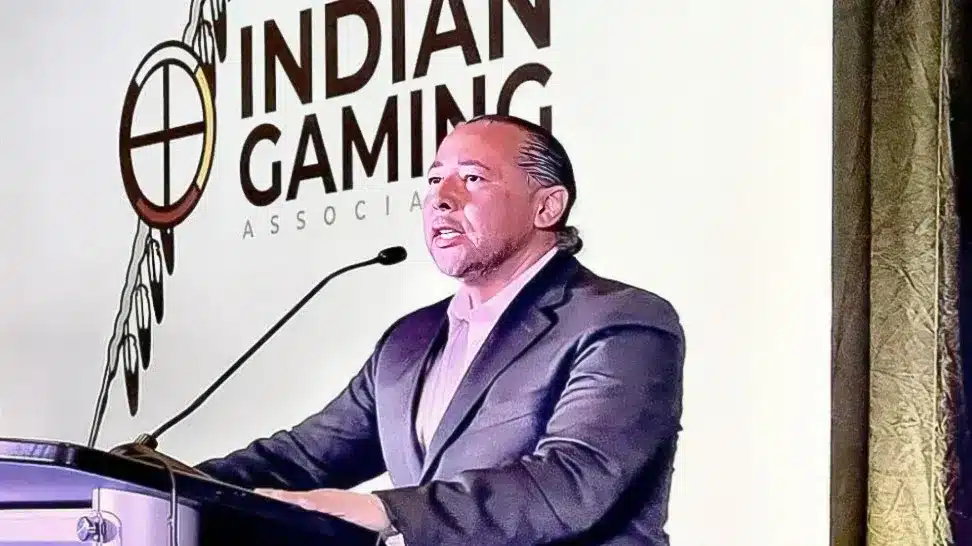
The Indian Gaming Association is urging Congress to regulate or prohibit prediction markets it calls illegal gambling.
Since some staggering prediction market numbers came out following Super Bowl handles, seemingly everyone has chimed in on the future of prediction markets and sports wagering. The Indian Gaming Association has now chimed in.
The IGA is mounting a major effort in early 2026 to pressure Congress to regulate, or potentially prohibit, prediction market platforms such as Kalshi and Polymarket.
Tribal leaders argue that these platforms function as unregulated gambling operations that bypass the Indian Gaming Regulatory Act (IGRA) and undermine the economic foundation of tribal gaming. The push comes as prediction markets face escalating legal battles with state regulators and growing scrutiny in Washington.
The Core Argument: “Illegal Gambling in Disguise”
The IGA contends that prediction markets, which allow users to trade contracts on sports outcomes, elections, and other real-world events, are effectively gambling platforms operating outside traditional gaming oversight.
According to tribal leaders, the issue is not the technology, but the regulatory framework.
They argue these markets:
- Operate under federal commodities oversight rather than gaming regulation
- Avoid state and tribal gaming taxes
- Do not comply with IGRA’s tribal sovereignty structure
IGA officials describe the situation as a regulatory loophole that allows platforms to compete with tribal casinos without meeting the same obligations.
Congressional Briefings in 2026
To advance their case, the IGA has hosted congressional briefings outlining how prediction markets operate and why they believe federal legislative action is needed.
At the center of the argument is IGRA, the 1988 law that governs tribal gaming and underpins billions in annual revenue for Native American communities.
Tribal leaders warned lawmakers that if prediction markets tied to sports and other events continue expanding without gaming regulation, they could erode tribal revenue streams that fund:
- Healthcare services
- Education programs
- Housing initiatives
- Tribal infrastructure
The IGA framed the issue as one of tribal sovereignty and economic self-determination.
Regulatory Loophole Concerns
One of the primary complaints centers on jurisdiction.
Prediction markets are overseen by the Commodity Futures Trading Commission (CFTC) when structured as derivatives exchanges. Senate democrats are already asking the CFTC to look into this further as it pertains to sports wagering and prediction markets.
Tribal and commercial gaming groups argue that this structure allows sports-related contracts to operate without:
- State gaming licenses
- Tribal compact agreements
- Responsible gaming safeguards required under IGRA
They also point to age requirements, noting that some prediction platforms permit users as young as 18, below the 21-year-old threshold common in casino gaming.
Support From the Broader Gaming Industry
The American Gaming Association (AGA) has echoed many of the IGA’s concerns, urging Congress to clarify the legal status of sports-based event contracts, as expressed in a joint letter from both institutions.
The AGA argues that allowing federally structured platforms to offer sports contracts without gaming licenses creates competitive imbalance.
Both organizations are calling for federal legislation in 2026 to close what they see as regulatory gaps.
Why This Fight Is Escalating Now
The debate intensified after prediction market platforms gained legal footing to operate sports-related contracts in the U.S., prompting pushback from both state regulators and tribal gaming interests.
Recent court rulings and regulatory developments have emboldened platforms like Kalshi, increasing trading volumes and national visibility.
Tribal leaders describe the rapid growth as an “existential threat” to the regulated gaming model that has operated for decades under federal law.
What Congress Could Do
While no specific bill has been finalized, potential legislative responses could include:
- Clarifying that sports-based event contracts fall under gambling law
- Amending IGRA to address derivatives-based wagering
- Imposing age and consumer protection requirements on prediction markets
Any federal action would significantly shape the future of both tribal gaming and prediction market platforms.
Why This Matters
Tribal gaming generates tens of billions of dollars annually and is a cornerstone of economic development for many Native American communities.
If prediction markets expand nationwide without tribal or state oversight, the financial implications could be substantial.
The dispute represents more than a regulatory technicality — it reflects a broader battle over:
- Federal versus tribal authority
- Financial innovation versus gaming regulation
- The future structure of sports-linked wagering in the United States
Bottom Line
The Indian Gaming Association is urging Congress to regulate or prohibit prediction markets it views as unregulated gambling platforms that threaten tribal sovereignty and economic stability.
As prediction markets expand and legal battles intensify, federal lawmakers may soon be forced to determine whether these platforms belong under financial regulation — or traditional gaming law.
Players trust our reporting due to our commitment to unbiased and professional evaluations of the iGaming sector. We track hundreds of platforms and industry updates daily to ensure our news feed and leaderboards reflect the most recent market shifts. With nearly two decades of experience within iGaming, our team provides a wealth of expert knowledge. This long-standing expertise enables us to deliver thorough, reliable news and guidance to our readers.
Latest News