

Virginia House Bill 515 would ban use of credit cards for sports betting funding
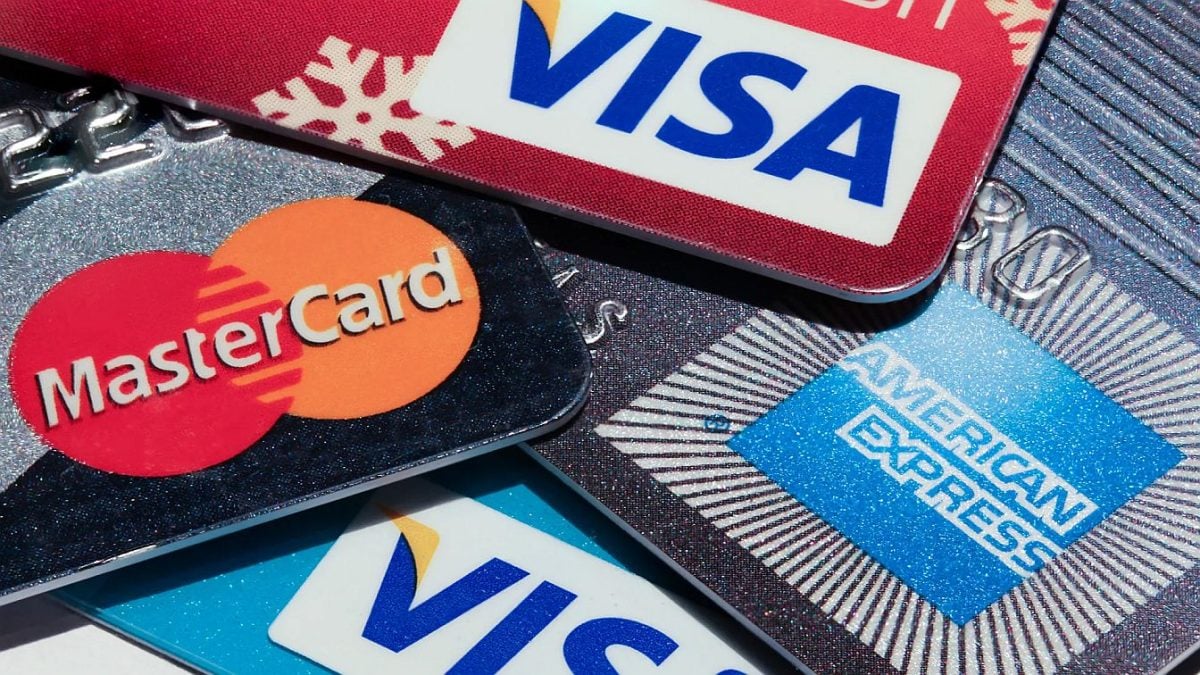
Virginia’s HB 515, introduced January 13, 2026, aims to prohibit credit cards as a payment method for sports betting accounts.
Virginia lawmakers have introduced House Bill 515 (HB 515) for the 2026 General Assembly session, a measure that would prohibit the use of credit cards to fund sports betting accounts in the Commonwealth, tightening consumer protections in the expanding regulated wagering market.
Sponsored by Del. Marty Martinez (D), the bill is titled “Sports betting; prohibition on use of credit cards” and seeks to restrict the authority of the Director of the Virginia Lottery, the agency responsible for regulating sports betting, from approving credit cards as a permissible payment option.
What HB 515 Would Change
Under current law, the Code of Virginia allows the Virginia Lottery Director authority to approve various funding methods for sports betting accounts, including debit and credit cards as technology evolves.
This power enables sportsbooks to accept a range of payment types for deposits, subject to regulatory safeguards and anti-fraud measures.
HB 515 would expressly prohibit that approval, preventing the Lottery Director from authorizing credit card transactions as a way for bettors to deposit funds into their sports wagering accounts.
Supporters argue that restricting credit card use could help protect vulnerable gamblers from taking on risky debt to fund wagers, a concern highlighted in national discussions about responsible gaming and consumer harm.
Opponents, while not yet in formal debate, could argue that limiting payment options may inconvenience consumers and complicate market competitiveness, particularly as neighboring states continue to expand payment methods for online wagering.
Current Status: Committee Referral Pending
- Bill Number: HB 515
- Sponsor: Del. Marty Martinez [D]
- Introduced: January 13, 2026
- Status: Committee referral pending
- Next Step: Awaiting assignment to a House committee for hearings, possible amendments and floor consideration.
Because it has just been introduced and is currently in a preliminary committee referral, HB 515 has not yet passed either chamber of the Virginia Legislature and remains actively under review.
Policy Context: Sports Betting in Virginia
Sports betting has been legal in Virginia since 2021, with the Virginia Lottery Board serving as the regulatory authority that licenses sportsbooks, issues permits, and oversees compliance. Wagering has grown significantly, with multiple operators offering mobile and retail betting in accordance with state rules.
Responsible-gaming provisions already in place allow bettors to self-exclude or set deposit limits, and regulators routinely evaluate new ways to protect consumers without unnecessarily restricting access to legal wagering options.
HB 515 enters that broader policy conversation, focusing specifically on whether debt-based payment instrumentsshould be permitted in a regulated market designed to balance consumer access with harm mitigation.
Next Steps in the Legislative Process
As HB 515 awaits committee assignment, key questions will include:
- Which committees will review the bill (typically General Laws or Appropriations for gaming-related measures).
- Whether hearings will be scheduled, allowing expert testimony from industry stakeholders, consumer advocates and financial regulators.
- Whether any amendments will be proposed to modify the bill’s scope or accompanying consumer protections.
Only after committee work can the bill proceed to a full House vote, and, if passed, move to the Virginia Senate for further consideration.
Conclusion: Consumer Protection Takes Center Stage
HB 515 reflects growing legislative interest in responsible gaming safeguards as online wagering continues to expand. By targeting credit card funding specifically, Virginia lawmakers are weighing consumer financial risk against market innovation and convenience.
Whether the bill advances beyond committee will likely depend on how legislators balance concerns over gambling debt and protection against maintaining a competitive, user-friendly regulated sports betting environment.
As the 2026 session continues, this measure could become a focal point in broader discussions about how best to manage payment methods, debt risk and consumer protection in legalized wagering markets.
Players trust our reporting due to our commitment to unbiased and professional evaluations of the iGaming sector. We track hundreds of platforms and industry updates daily to ensure our news feed and leaderboards reflect the most recent market shifts. With nearly two decades of experience within iGaming, our team provides a wealth of expert knowledge. This long-standing expertise enables us to deliver thorough, reliable news and guidance to our readers.
Latest News