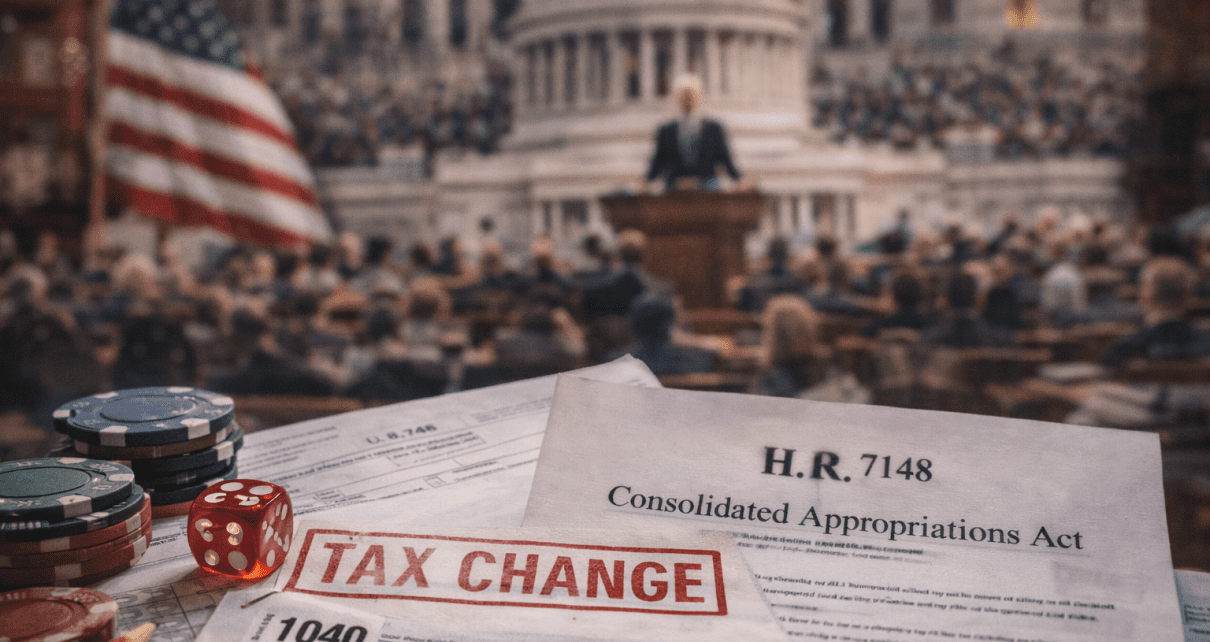
Illinois 2027 Budget Proposal Targets Higher Casino Table Game Taxes
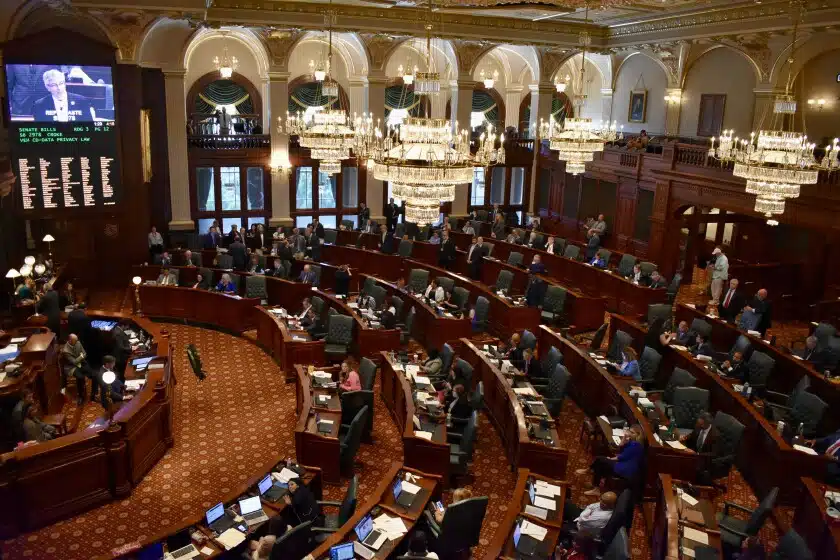
Illinois budget proposal considers increased tax rates on casino table game revenue amid rising gaming in the Prairie State.
Gaming has been a major talking point in Illinois in 2027. Just weeks ago, Illinois lawmakers were discussing legislation to block Chicago sports gambling tax increases.
Now, Illinois lawmakers are once again looking to gaming revenue to help balance the state’s books.
The proposed FY2027 budget includes a measure that would increase taxes on casino table game revenue, adding new pressure to operators in one of the Midwest’s largest gambling markets.
For industry insiders, the move reinforces a familiar theme. When budget gaps widen, gaming taxes often become a political lever.
What the Budget Proposal Includes
Under the FY2027 budget framework, lawmakers are evaluating adjustments to the tax structure applied specifically to table games at Illinois casinos.
While Illinois already operates under a graduated tax system tied to casino revenue tiers, the proposal would further raise the effective rate on table game win.
Key elements under discussion:
- Higher tax rates applied to casino table game revenue
- Targeted revenue generation for FY2027 budget balance
- No immediate structural overhaul of sports betting or iGaming
- Continued reliance on gaming as a fiscal contributor
Illinois casinos currently contribute significant tax revenue from slots, table games, video gaming terminals, and sports betting.
The focus on table games signals lawmakers are zeroing in on a segment perceived as capable of absorbing incremental tax increases.
Why Table Games Are in Focus
Table games, including blackjack, baccarat, roulette, and craps, represent a steady revenue stream for Illinois’ brick-and-mortar casinos.
Unlike sports betting, which is volatile and margin-sensitive, table games produce more predictable hold percentages.
From a budget perspective, that predictability makes them attractive targets for tax adjustments.
However, operators argue that increasing tax burdens can:
- Reduce reinvestment capacity
- Impact job growth
- Limit competitive flexibility against neighboring states
- Compress margins in an already competitive regional market
Illinois competes directly with Indiana, Missouri, and Iowa for casino traffic, making tax policy a competitive factor.
Broader Illinois Gaming Landscape
Illinois has one of the most expansive gambling frameworks in the Midwest.
The state features:
- Commercial casinos
- Legal online and retail sports betting
- Thousands of video gaming terminals statewide
Major operators such as Caesars Entertainment, Rush Street Gaming, and national sportsbook brands including FanDuel and DraftKings compete for market share.
Illinois already imposes relatively high gaming taxes compared to some neighboring states. Additional increases could shift operator strategies, particularly around capital improvements and promotional spending.
Industry Concerns
Gaming operators have historically warned that incremental tax hikes can create long-term drag on investment.
Potential implications of higher table game taxes:
- Reduced capital expenditure at casino properties
- Slower expansion or renovation plans
- Competitive disadvantages versus lower-tax states
- Increased pressure on promotional budgets
At the same time, lawmakers often view gaming taxes as politically safer than broader-based tax increases.
What Happens Next
The FY2027 budget must move through the legislative process before any changes become law.
If approved, Illinois casinos would need to adjust financial forecasts and operational planning accordingly.
For the broader gambling industry, the proposal underscores a persistent reality.
As states expand gambling, they increasingly rely on it as a fiscal tool. And once gaming revenue becomes embedded in state budgets, upward tax pressure rarely disappears.
Illinois operators now face the possibility of another recalibration in one of the country’s most tax-intensive gaming markets.
Players trust our reporting due to our commitment to unbiased and professional evaluations of the iGaming sector. We track hundreds of platforms and industry updates daily to ensure our news feed and leaderboards reflect the most recent market shifts. With nearly two decades of experience within iGaming, our team provides a wealth of expert knowledge. This long-standing expertise enables us to deliver thorough, reliable news and guidance to our readers.
Latest News