The NCAA is in Crisis Over Brendan Sorsby, But Sportsbooks Haven’t Flinched
Coaches and athletic directors are threatening boycotts over the Sorsby ruling. Sportsbooks are posting his Heisman odds.
On June 8, a Texas judge granted quarterback Brendan Sorsby a temporary injunction that will allow him to play for Texas Tech in 2026 despite the NCAA having ruled him permanently ineligible for gambling. Sorsby had wagered approximately $90,000 on professional and college sports over four years, including 40 bets involving Indiana football when he was a freshman with the Hoosiers. Judge Ken Curry found that Sorsby would suffer “probable, imminent and irreparable injury” if he were not allowed to participate, and imposed a two-game suspension as a condition of the injunction. The NCAA filed an accelerated appeal the same afternoon.
By Monday afternoon, Georgia had issued a memo forbidding its athletic programs from scheduling Texas Tech in any sport. Big Ten officials were discussing a leaguewide mandate to do the same. ACC commissioner Jim Phillips called the ruling a “horrendous pattern” eroding competitive integrity. A Big 12 athletic director told ESPN they were “disgusted” and that the sport had “officially lost its soul.” TCU head coach Sonny Dykes put it more bluntly: “How is anyone ever going to trust the outcome of a game again?”
Of course, the question was rhetorical. But for sportsbooks, the answer is fairly concrete: they already have systems designed to answer it in real time, and those systems apparently gave them enough confidence to start posting Heisman odds on Brendan Sorsby within hours of the ruling.
That massive gap, between the institutional panic inside college sports and the operational calm inside sportsbooks, is worth sitting with for a moment.
Sorsby’s Guilt is No Longer in Question, Sportsbooks Don’t Seem to Mind the Ruling
To recap the facts: Sorsby wagered approximately $90,000 on professional and college sports over four years, including 40 bets involving Indiana football when he was a freshman with the Hoosiers. The NCAA ruled him permanently ineligible. A Texas judge granted a temporary injunction, allowing him to play after missing the first two games of the season against Abilene Christian and Oregon State. The NCAA filed an accelerated appeal to the Court of Appeals for the Seventh District of Texas.
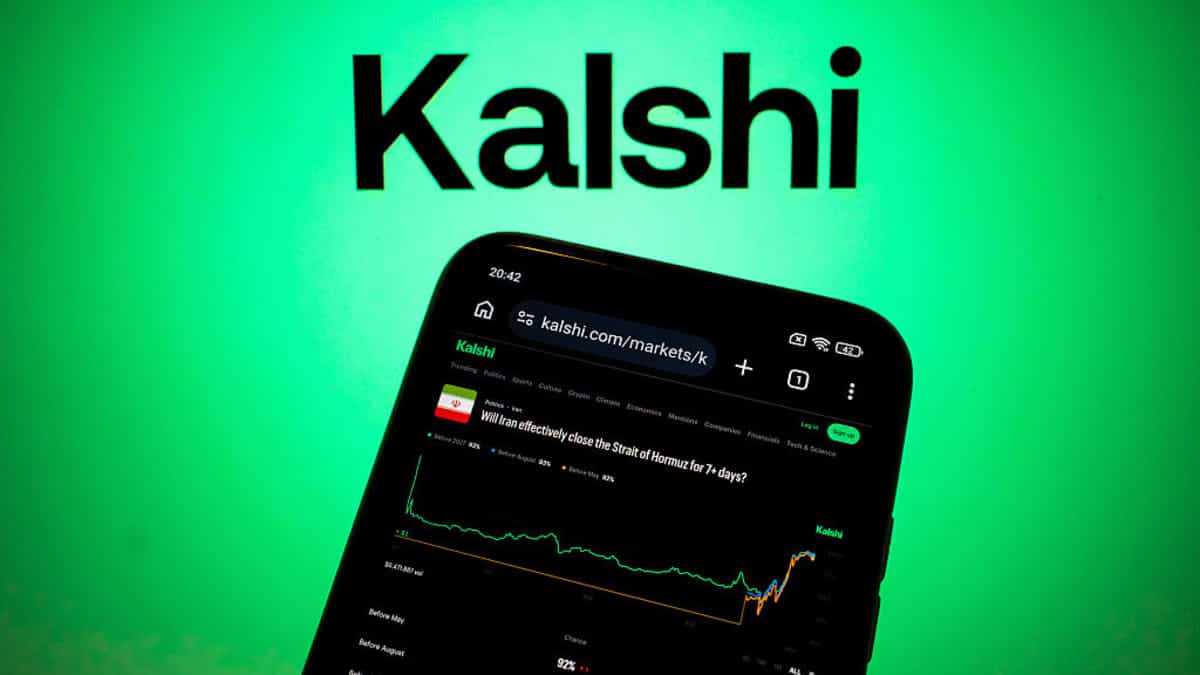
No major sportsbook has publicly announced that it will refuse to accept action on Texas Tech games involving Sorsby. None has said it will limit markets, suspend lines, or flag the matchups for enhanced scrutiny. What operators have done instead is price up the markets. Within a day of the ruling, analysts were recommending Sorsby Heisman positions on Kalshi, noting he is arguably one of the five most talented passers in college football on a team that should win 11 or 12 games. The betting ecosystem treated the injunction as a storyline, rather than a red flag.
The interesting and peculiar part is that sportsbooks and monitoring systems played a role in alerting the NCAA to Sorsby’s gambling in the first place, after law enforcement tipped off a sportsbook. The monitoring infrastructure that caught him is the same infrastructure that will be watching every Texas Tech game this fall. Sportsbooks already flag unusual line movement, track known sharp accounts, and report suspicious activity to integrity partners. From their perspective, a player with a documented gambling history who has been through rehab and is playing under a court order, under the most intense public scrutiny of any college athlete in the country, is probably not the highest-integrity risk on their board.
It goes without saying that competing schools that will match up against Sorsby at Texas Tech don’t really care about Sorsby’s current integrity risk; he already violated the integrity of the sport in a high-volume, well-documented, and indisputable manner.
If the Ruling Doesn’t Move Sportsbooks, Would a Mass Boycott Change Their Stance?
The louder question for the gaming industry is what happens if the boycott movement gains real traction. Big 12 commissioner Brett Yormark is consulting stakeholders and monitoring the situation closely, which is the kind of language that precedes either a leaguewide policy or an embarrassing climb-down. If the Big Ten formalizes its position and other conferences follow, Texas Tech could find its 2026 schedule stripped of marquee opponents before the season starts.
That matters to sportsbooks for reasons unrelated to Sorsby specifically. College football betting handles are driven by premium matchups. A Texas Tech program playing a gauntlet of mid-majors because major programs have pulled their scheduling agreements is a less bettable product. Less liquidity, less sharp interest, and a lower handle directly impact sportsbooks. Sorsby was considered a potential first-round prospect for the 2027 draft, and with him healthy, Texas Tech was a legitimate Big 12 title contender. A boycott-depleted schedule changes the commercial calculus for operators who had penciled in Red Raiders games as high-volume events.
There is also the longer-term question of precedent. The Sorsby ruling could incentivize other college athletes whom the NCAA seeks to punish for gambling to borrow his playbook and sue the collegiate governing body. If that happens at scale, the pool of active players with gambling histories playing on college fields expands. Sportsbooks can manage one Sorsby. Managing a structural shift in how gambling violations are adjudicated is a different problem.
Sorsby’s Legal Team Argues The NCAA Benefits From Gambling More Than Anyone
It is worth noting the tension at the center of the Sorsby case that his attorneys were not shy about raising. The NCAA has a partnership with Genius Sports to distribute real-time data feeds to sportsbooks, has publicly touted gambling as a “major opportunity,” and presided over an enterprise in which $3.3 billion was wagered on its basketball tournaments in 2026. The organization that banned Sorsby for gambling is also, by his legal team’s account, a significant commercial beneficiary of the betting ecosystem.
Sportsbooks have their own version of this tension. They are the infrastructure through which the integrity violation was detected, the mechanism through which the sport is monitored, and simultaneously the commercial enterprises that will take action on Texas Tech games, all fall and true. Their silence on whether to accept bets involving Sorsby is not a failure to engage with the integrity question. It is, arguably, the most honest answer available: we built systems to handle this, and we trust them. Again, this does nothing for other schools competing, but the sportsbooks have a point.
Whether athletic directors and conference commissioners trust those systems enough to keep scheduling Texas Tech is a separate matter. The teams threatening boycotts are not worried about whether sportsbooks can detect point shaving. They are worried about perception, about what it signals to their own athletes and fans that a player who bet on his own team is allowed to keep playing. That is a legitimate concern, and it is entirely separate from whether the games can be monitored effectively. It’s also a concern and an angle that sportsbooks may want to consider more seriously.
Dykes asked how anyone would ever trust the outcome of a college football game again. Sportsbooks, it appears, still do, as they have belief in their infrastructure. The gap between those two positions is where the real argument lives, and is something to closely monitor as this saga continues to unfold.
Players trust our reporting due to our commitment to unbiased and professional evaluations of the iGaming sector. We track hundreds of platforms and industry updates daily to ensure our news feed and leaderboards reflect the most recent market shifts. With nearly two decades of experience within iGaming, our team provides a wealth of expert knowledge. This long-standing expertise enables us to deliver thorough, reliable news and guidance to our readers.
Latest News