Atlantic City Pushes to End Casino PILOT Program as 2026 Expiration Looms

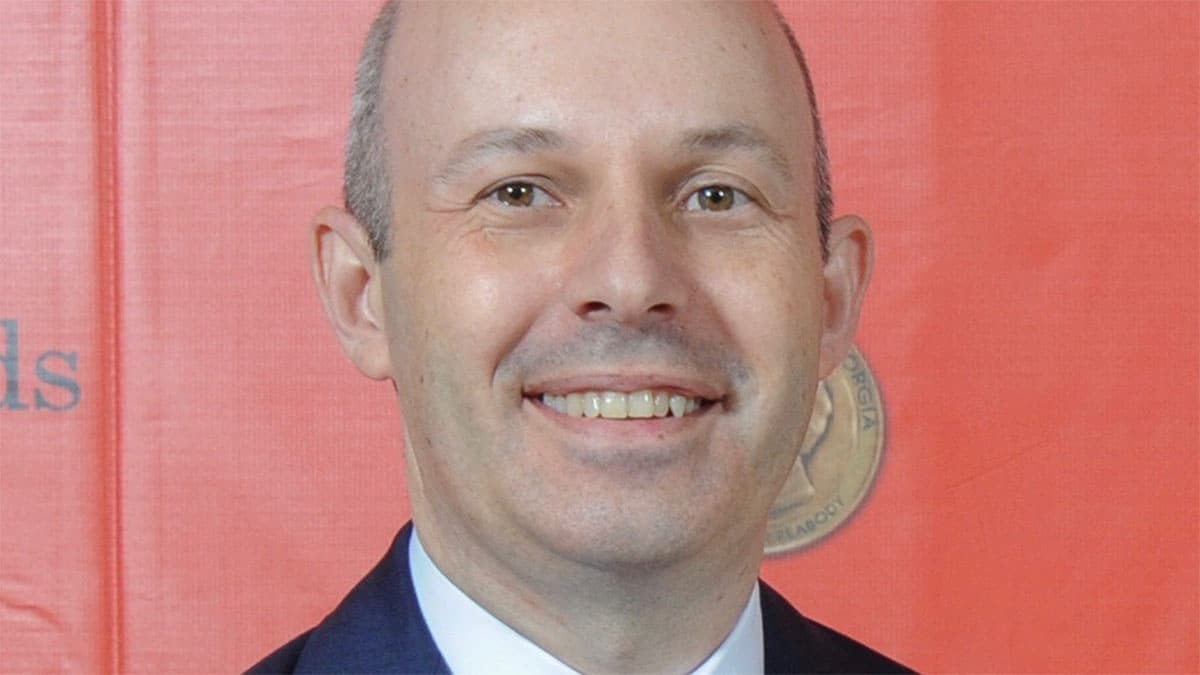
Atlantic County Executive Dennis Levinson is calling for an end to Atlantic City’s casino PILOT program as 2026 expiration looms
A decade-long tax arrangement between New Jersey and Atlantic City’s nine casinos is approaching its end. As the current Payment In Lieu of Taxes program (PILOT) expires in 2026, Atlantic County Executive Dennis Levinson is making his position clear.
He wants to scrap the PILOT entirely. However, state lawmakers are moving in the opposite direction, pushing to extend the program in perpetuity.
What the PILOT Program Is and Why It Exists
The Casino Property Tax Stabilization Act was signed into law by then-Governor Chris Christie in May 2016. It replaced traditional property tax assessments for Atlantic City’s nine casinos with a collective annual payment based on their combined gross gaming revenue from the prior year.
The PILOT emerged from a genuine crisis. Five Atlantic City casinos closed between 2014 and 2016. The surviving properties responded by contesting their property assessments, tying up tax payments and creating a critical funding shortfall for city and county services.
The PILOT was designed to guarantee timely, predictable payments and stabilize Atlantic City’s finances during an extremely vulnerable period.
By most accounts, it succeeded in that mission. The city has recorded consecutive tax reductions and earned bond rating upgrades to investment grade levels since the program took effect.
Levinson Says the PILOT Has Done Its Job
Atlantic County Executive Dennis Levinson addressed the PILOT directly during his 2026 budget address to the County Board of Commissioners on March 3. His message was pointed and direct.
“The original PILOT was enacted to stabilize Atlantic City’s finances and reduce costly casino tax appeals,” Levinson said. “By all accounts, the city’s financial health has improved with consecutive tax reductions and bond rating upgrades to investment levels. In that respect, the PILOT has completed its job.”
Levinson’s proposed 2026 county budget totals $283.4 million. He announced the eighteenth tax rate reduction of his 26-year tenure, cutting the general purpose tax rate by two cents. He also plans to apply $22.5 million in surplus funds to reduce the amount raised through taxation.
A Long-Running Dispute Over Lost Revenue
Levinson’s opposition to the PILOT is not new. He has been fighting it since 2017, and the battle intensified after a 2021 amendment removed iGaming and online sports betting revenue from the gross gaming revenue calculation used to determine casino payments.
That change alone cost Atlantic County more than $14 million between 2022 and 2024, according to Levinson. Atlantic County receives 13.5% of the total PILOT bill. As a result, when the calculation base shrinks, so does the county’s share.
After years of litigation, the state agreed in April 2025 to a $15 million settlement with Atlantic County. Levinson estimated the county will ultimately receive nearly $59 million more than it would have had it not challenged the original 2016 law and the 2021 amendment.
Levinson’s Core Argument: Spread the Cost Statewide
Beyond the dispute over calculations, Levinson has a broader philosophical objection. Casinos generate gaming tax revenue that benefits all 21 New Jersey counties, he argues. However, only Atlantic County taxpayers absorb the cost when those payments fall short.
“Casinos benefit all state taxpayers, yet only those living in Atlantic County are required to support them with their tax dollars,” Levinson said. “Let’s require taxpayers in all 21 counties to contribute. It’s really just a matter of fundamental fairness.”
He also pointed to growing pressure on Atlantic City’s physical casino market, noting that New York casinos are coming and that brick-and-mortar visitation has been declining at six of the city’s nine properties for several years. It’s an interesting time for this debate to arise, as major casinos such as the Hard Rock on the Atlantic City boardwalk have announced major renovations.
Trenton Is Likely to Extend It Anyway
Despite Levinson’s objections, state Sen. Vince Polistina, who is leading extension discussions in Trenton, has indicated the PILOT is here to stay. “I don’t see ever going back to traditional real estate taxes for casinos,” Polistina said. “You need the PILOT to give certainty. That has to continue in perpetuity.”
Legislators are expected to pass an extension before the current structure expires at the end of 2026. For Levinson, however, the fight is far from over.
Players trust our reporting due to our commitment to unbiased and professional evaluations of the iGaming sector. We track hundreds of platforms and industry updates daily to ensure our news feed and leaderboards reflect the most recent market shifts. With nearly two decades of experience within iGaming, our team provides a wealth of expert knowledge. This long-standing expertise enables us to deliver thorough, reliable news and guidance to our readers.
Latest News